LAHDELMA & MAHLAMÄKI ARCHITECTS, LOST SHTETL JEWISH MUSEUM
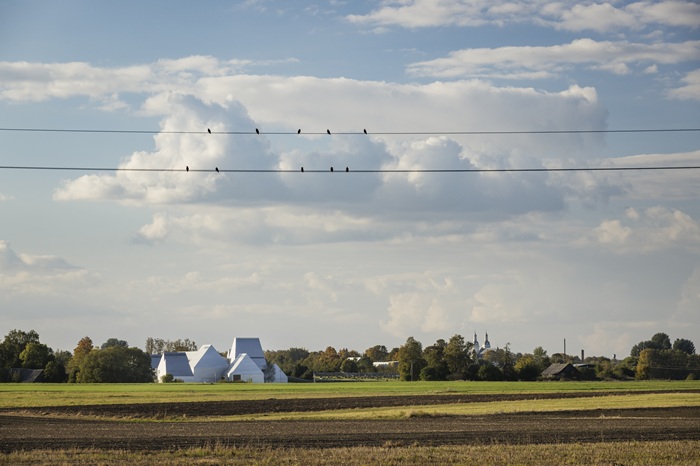
Ilmari Lahdelma and Rainer Mahlamäki, who head the Finnish firm LMA founded in 1997, are the architects behind this iconic museum, built to commemorate the destruction of the village of Šeduva and the massacre of 664 Jews who were executed in 1941.
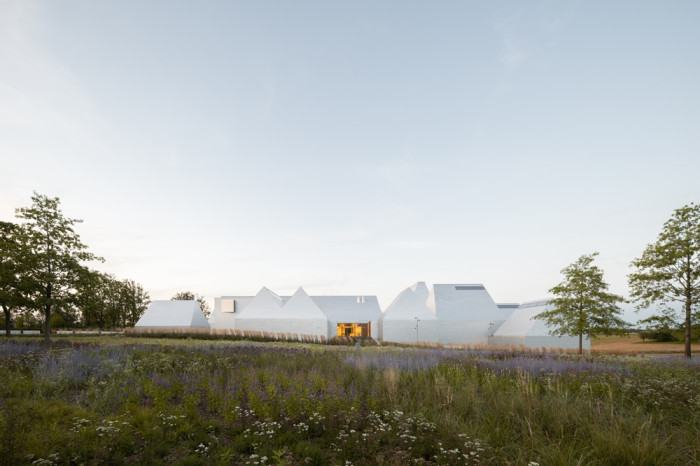
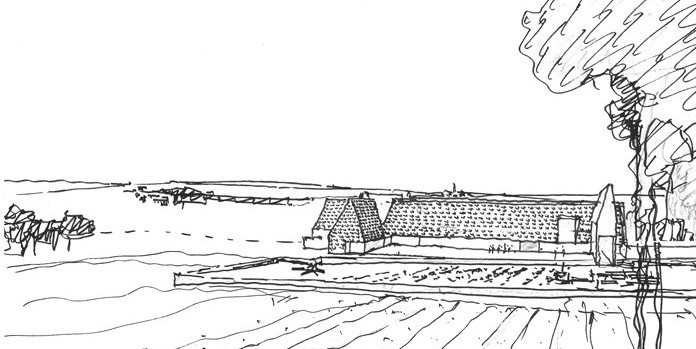
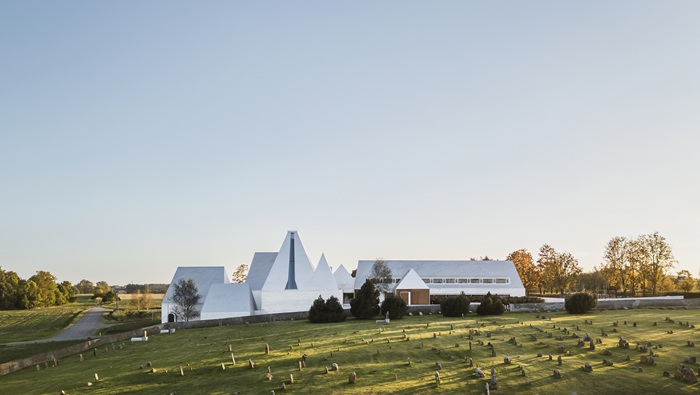
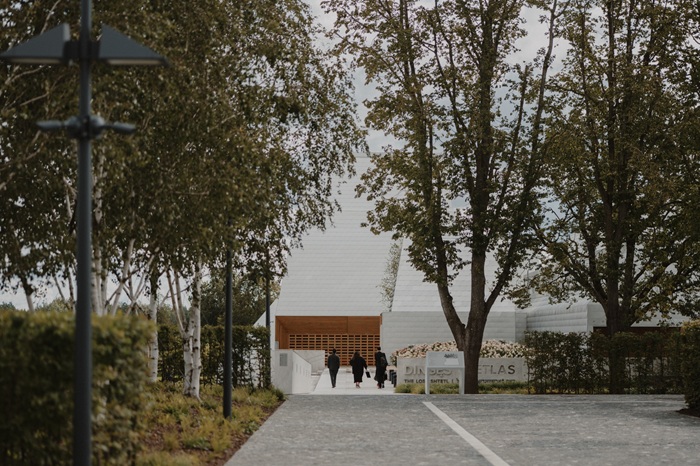
The project interprets the past through an almost abstract, mineral-like architectural design featuring minimalist ‘houses’ that form a dreamlike landscape reminiscent of a shtetl – those small Central European villages once inhabited almost exclusively by Jews that no longer exist.
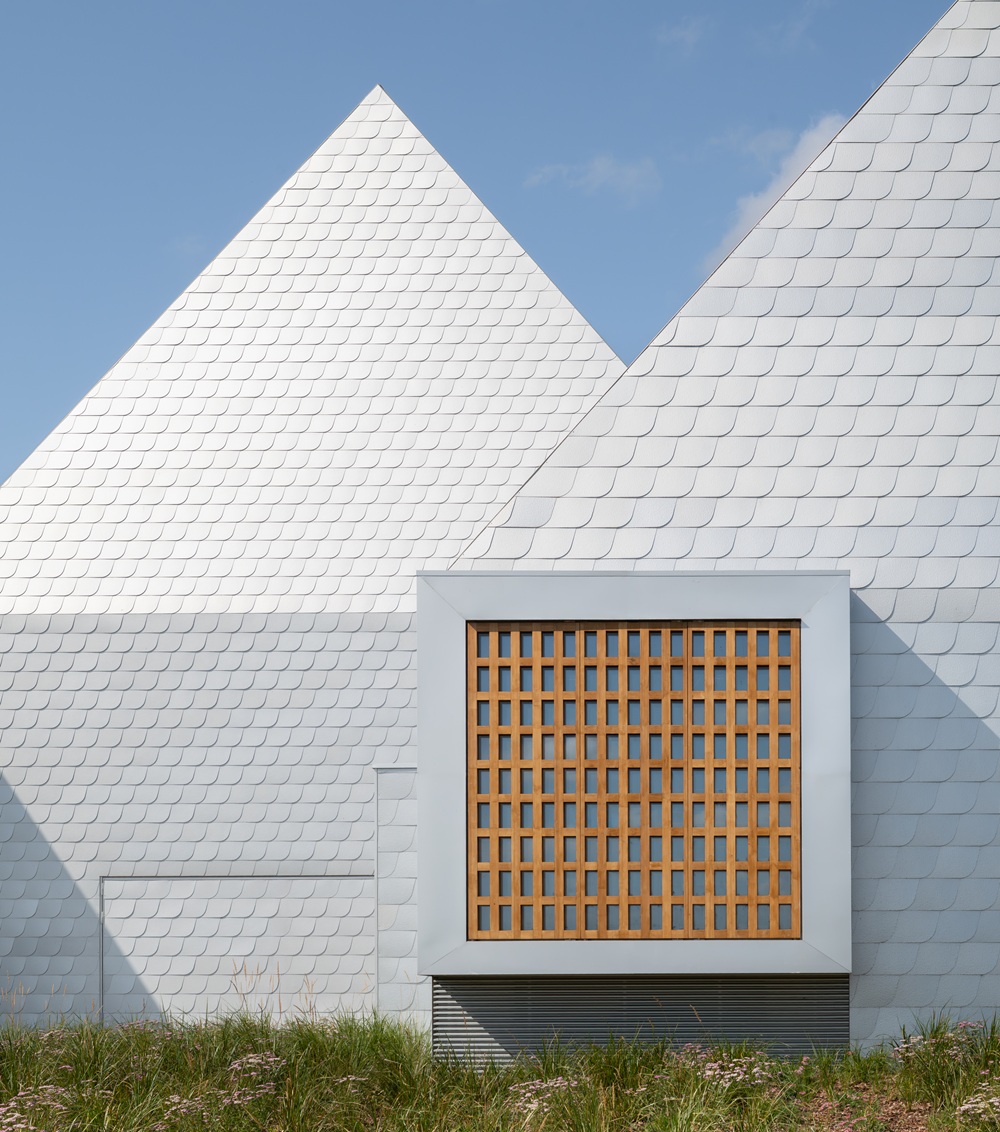
The
museum’s façades are made of marine-grade aluminium, a lightweight, recyclable
and particularly durable material. The aluminium panels, reminiscent of wooden
shingles, are arranged in overlapping layers to form a surface that comes alive
and reflects light according to the time of day and year. It can look white, silver-grey,
almost dull or even vibrant. The
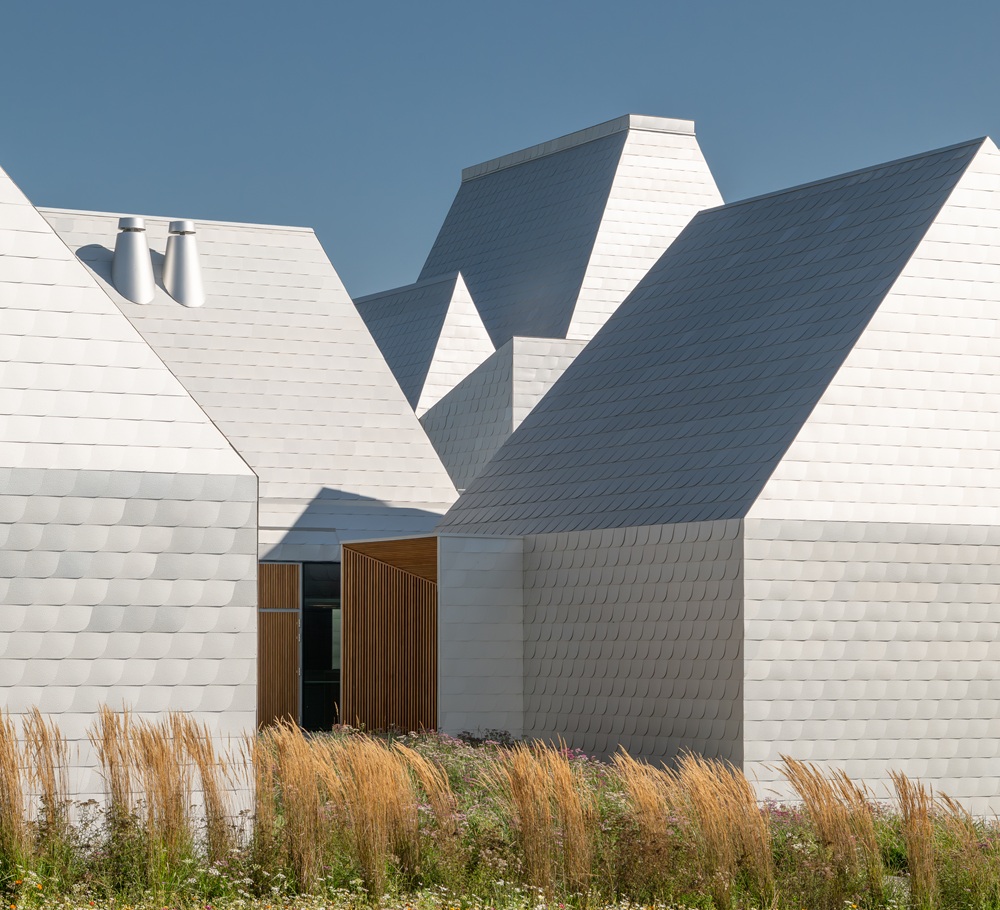
individual houses, each the size of a single-family home, are connected to each
other by narrow passage ways forming a cluster of homes, which, as well as
recreating the idea of a village, also allow the museum to be expanded while
preserving its original layout.
 The
museum is surrounded by a commemorative park designed by Enea Landscape
Architecture featuring a birch tree-lined avenue, flowery meadows, wetlands and
an orchard. A commemorative wall near the entrance made of blown glass blocks
set into a wooden grid lists the names of all the 294 shtetls in Lithuania
before World War II.
The
museum is surrounded by a commemorative park designed by Enea Landscape
Architecture featuring a birch tree-lined avenue, flowery meadows, wetlands and
an orchard. A commemorative wall near the entrance made of blown glass blocks
set into a wooden grid lists the names of all the 294 shtetls in Lithuania
before World War II.
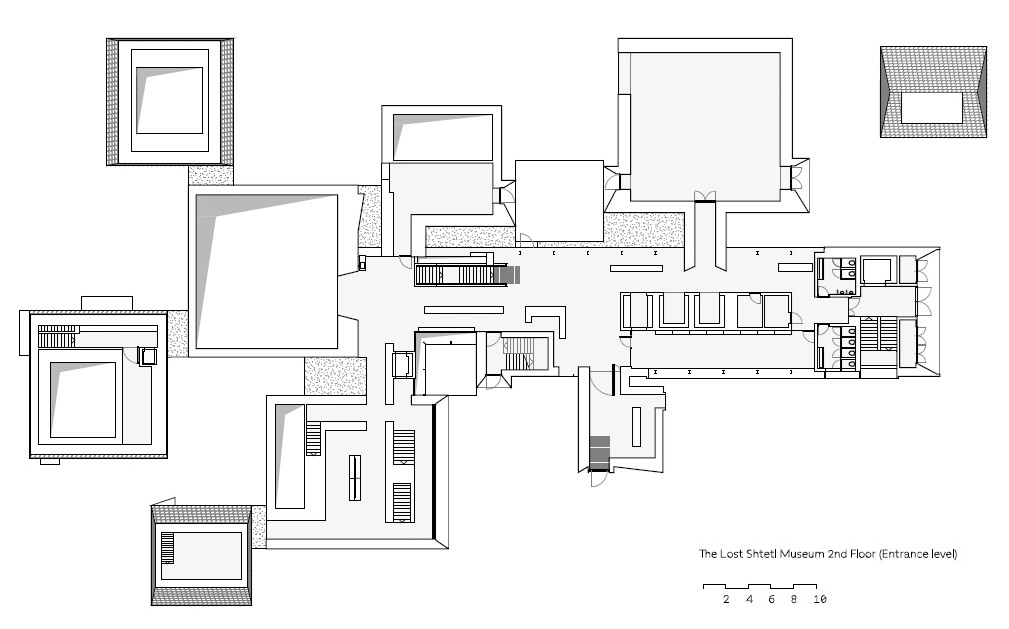
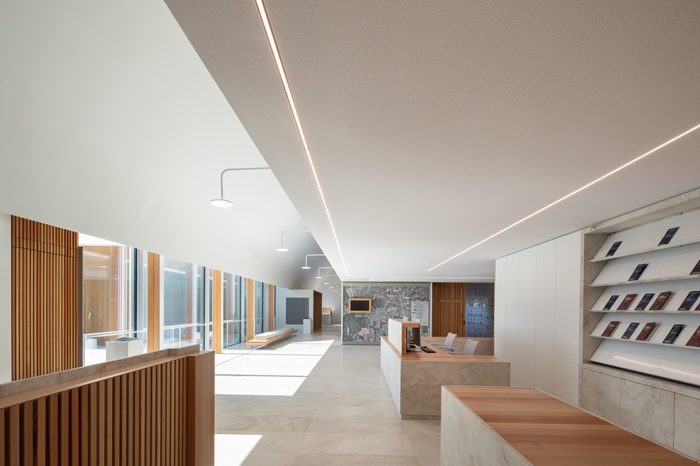
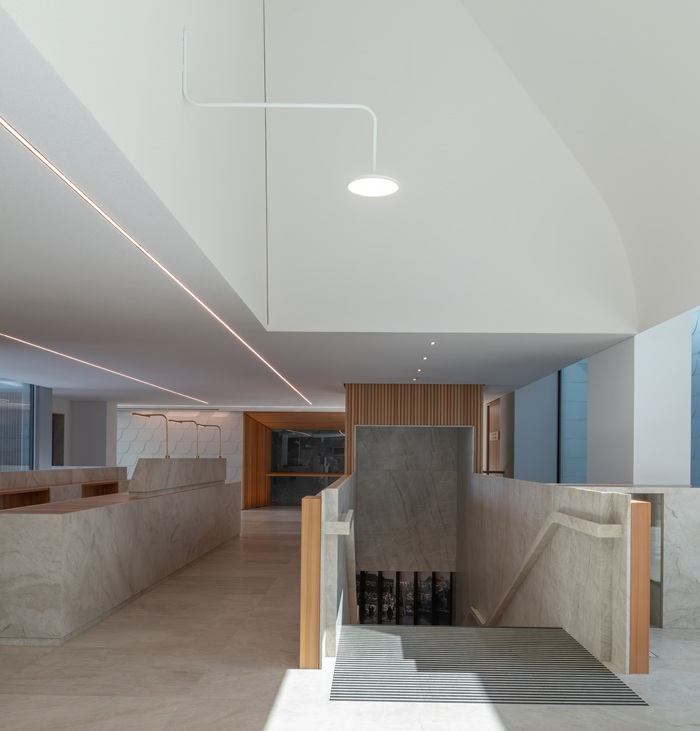
The ground floor holds a library, educational facilities and multipurpose areas set around a reception. Taking advantage of the slight slope in the land where the museum is built, the architects arranged the exhibition spaces below the entrance level. The interaction between indoor and outdoor spaces enhances a feeling of calmness, connects the building to the surrounding landscape, and prepares visitors for the transition into the exhibition area.
The architectural/functional concept behind the exhibition galleries is reflected in the roof design. The upper part of the galleries mirrors the shape of the exterior shell. Skylights set along the edge of the roof allow natural light to illuminate the space in a controlled way.
The upper section of the galleries creates a sense of openness, while the lower part is focused around the exhibits. The galleries on the ground floor work along the same lines and also provide carefully crafted views of the surrounding landscape.
The
exhibition layout culminates in an austere, white space called the Canyon of
Hope, which frames the surrounding countryside through a floor-to-ceiling glass
aperture.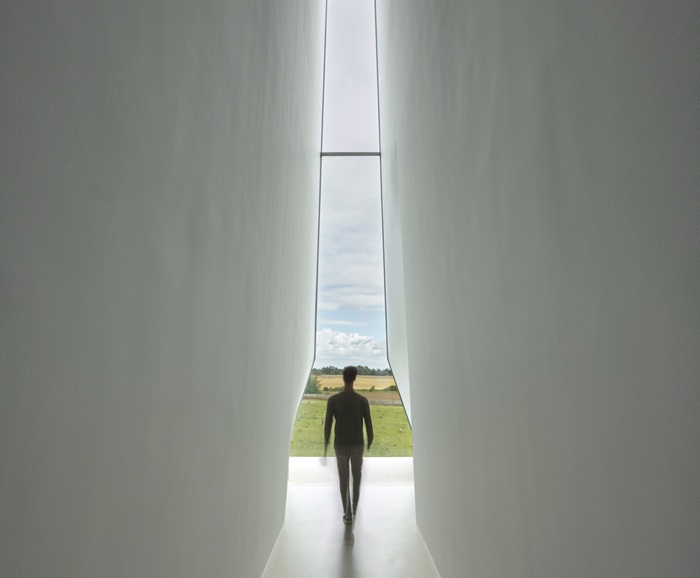
Head Designer: Rainer Mahlamäki; Project Architect: Ilkka Syrjäkari; Executive Architect: Studija 2A; Landscape design, construction, and maintenance: Enea Landscape Architecture; Exhibition Design: Ralph Appelbaum Associates