REINHOLD MESSNER HAUS, DOLOMITES, ITALY, PROJECT: PLASMA STUDIO
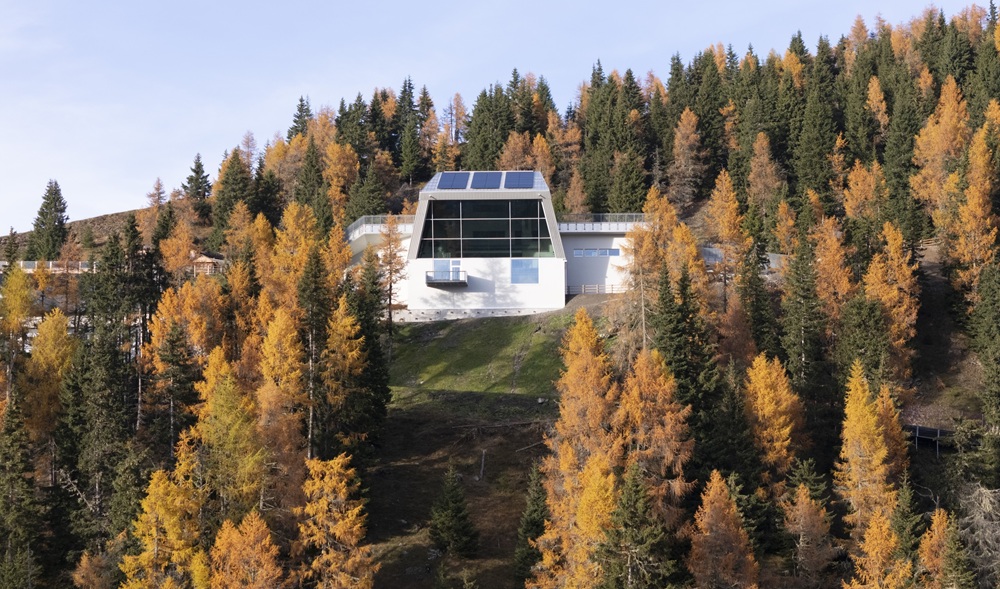
The old station has undergone a remarkable regeneration project. The cable car used to take skiers up to an altitude of about 2,000 meters from Sesto (Bolzano) to Monte Elmo in the Three Peaks of Lavaredo region. It now houses Reinhold Messner Haus, an educational centre focused on various aspects of mountaineering that examines issues like risk-taking, caution, sustainability, and tourism.
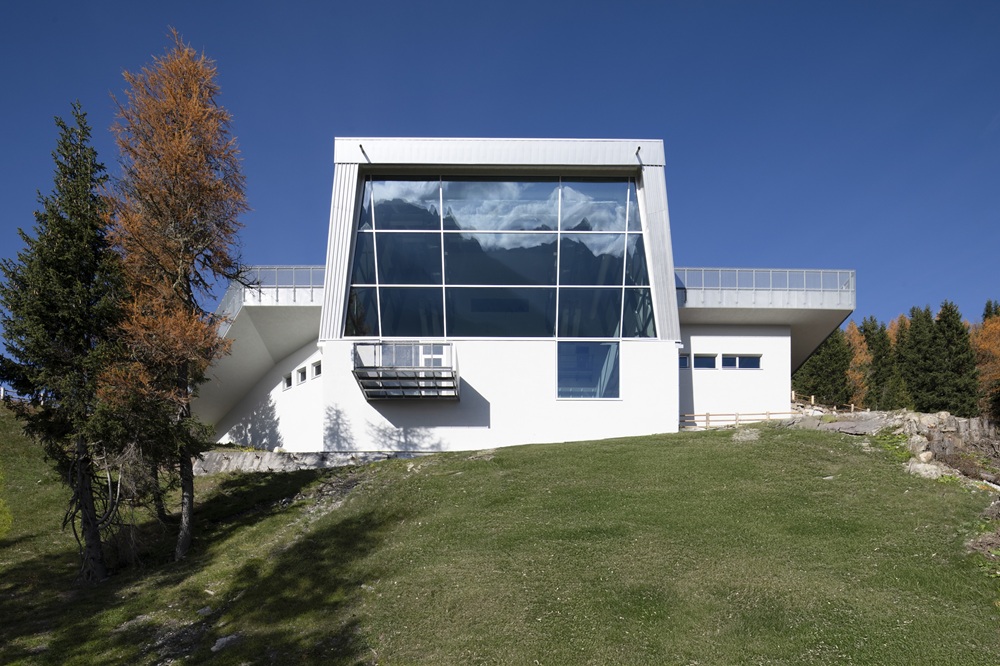
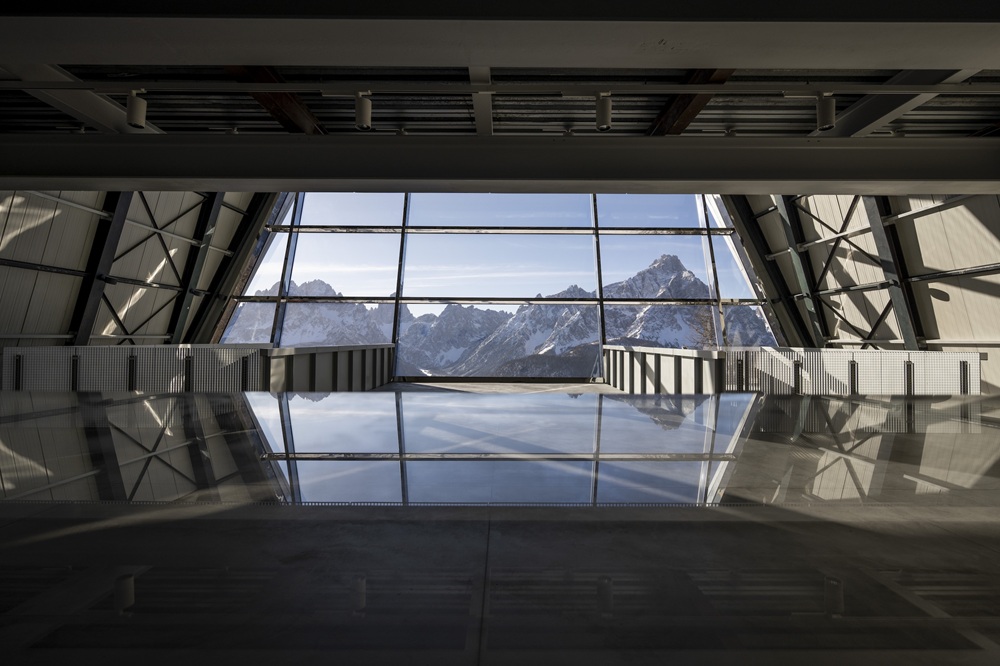
It looks like an architectural mass that opens up to allow access into its structures. It draws inspiration from its surroundings and connects to nature. The glass facade features a trapezoidal opening with a roof that was originally designed to accommodate incoming cable cars. It is now an observation deck, a kind of panoramic platform in the lower museum area that captures the way in which the architecture and landscape interact. The building’s internal layout begins just beyond the entrance in a combination of meditative spaces and breathtaking views. This has been created by reusing old materials raging from concrete to steel, drawing on existing resources to bring the building back to life.
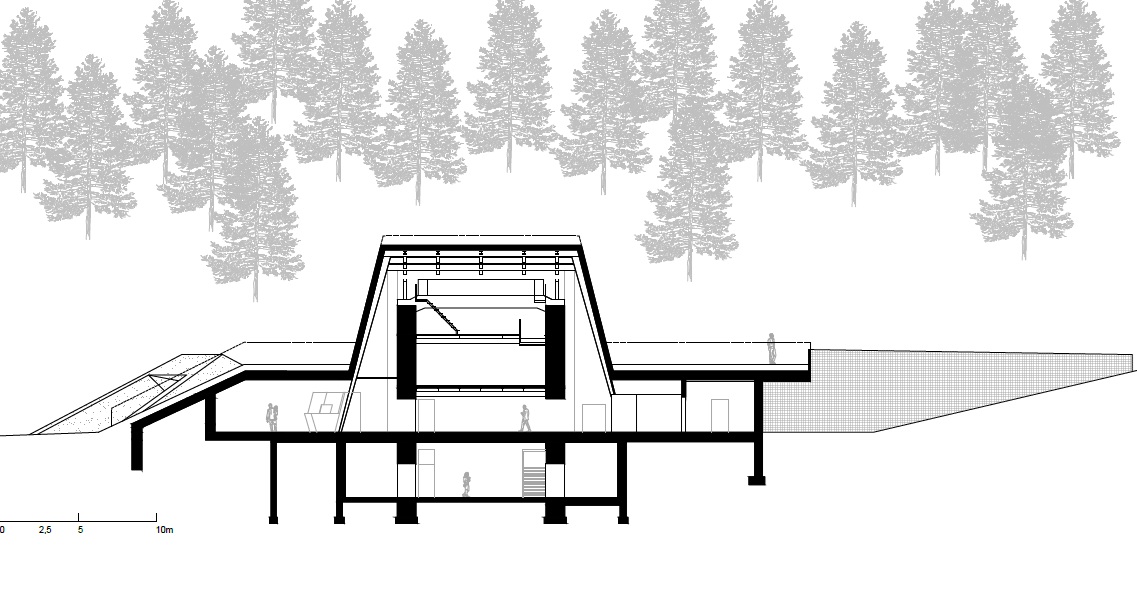
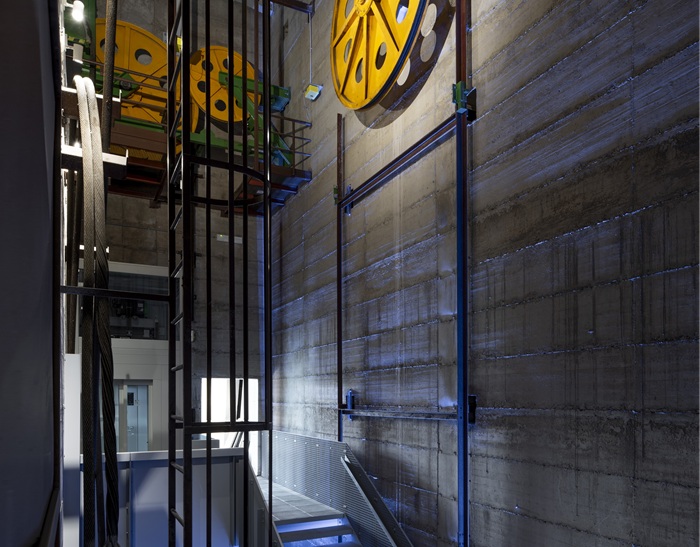
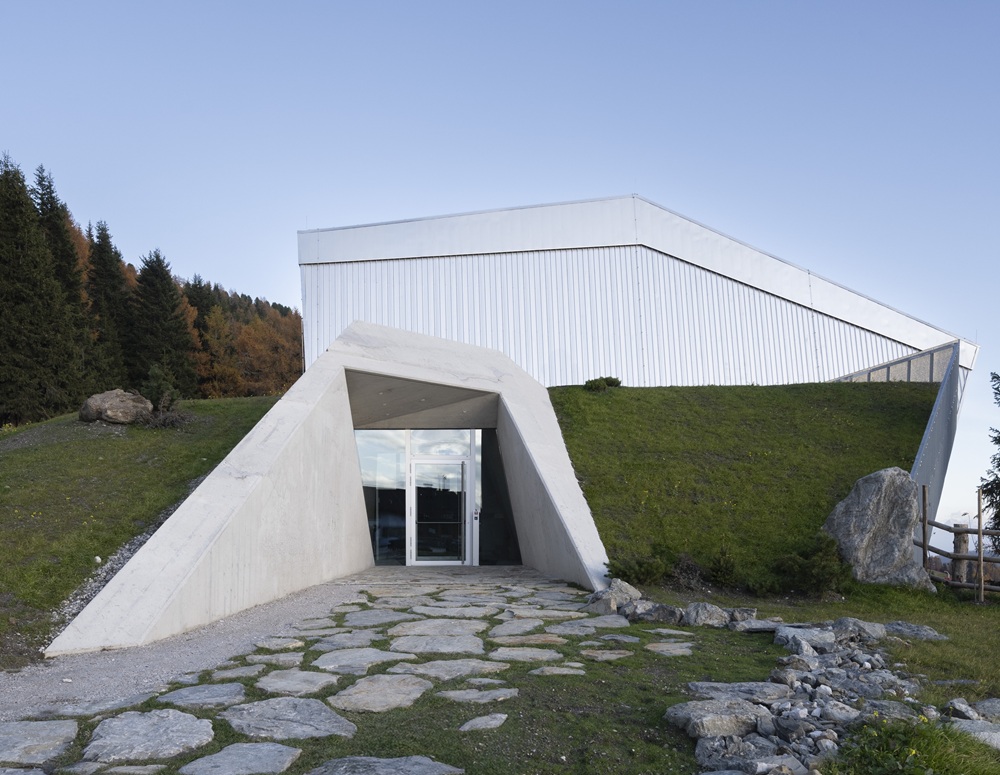
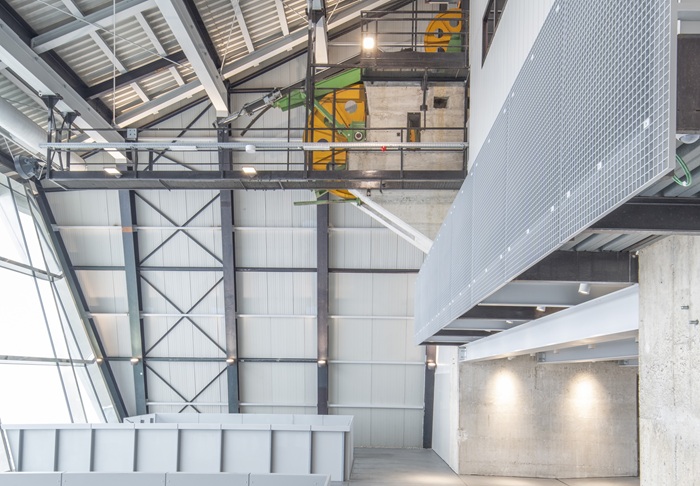
Plasma Studio's architectural design integrates the existing structure into the surrounding landscape, altering the topography of the lad and creating a new kind of relationship between the built environment and nature. View from the outside, this concrete mass references the surrounding rocks and seems to almost emerge from the mountain itself, alluding to the building's past. Inside, it stretches across an eye-catching counterweight shaft, 17 meters high, that has been converted into a vertical connection. Visitors descend through the old structure down to what were once storage rooms.
The layout highlights the relics of old mechanisms once used as pulleys, cables and gears for moving the cable cars. Now painted in bright colours, they resemble ruins from an archaeological excavation or even emerging works of kinetic art. The final stop allows visitors to ascend into a bright space offering striking views across the Dolomites. A real spectacle.
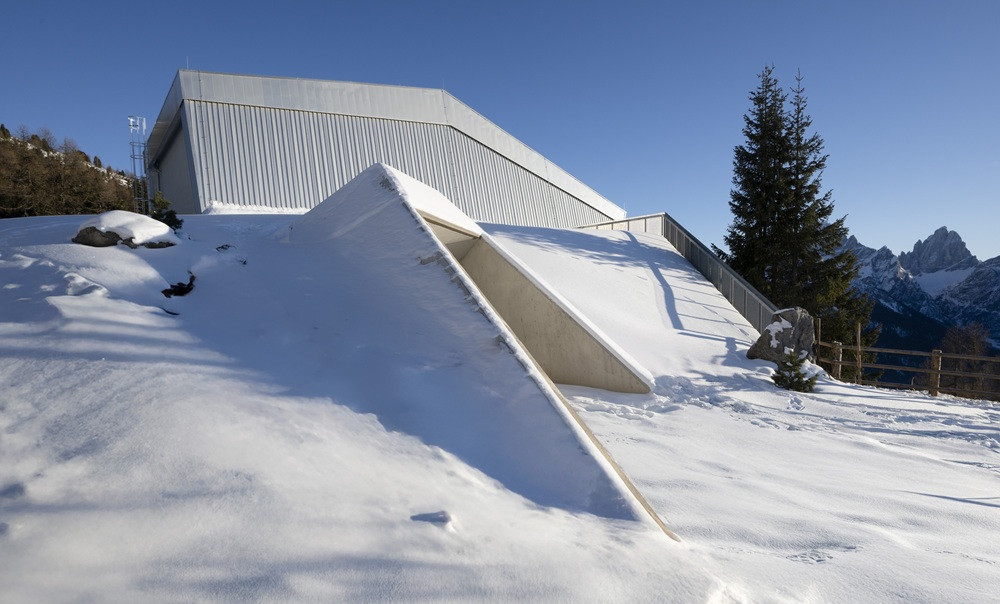
The renovation project on the old building is designed to withstand extreme conditions and aims to create powerful interaction with nature due to the way it is embedded in the rock, from which it draws fresh energy to regenerate through its direct relationship with its surroundings in stark contrast to its underground layout, offering a new concept of slower, less impactful ad more conscientious alpine tourism.
Plasma Studio, headed by Ulla Hell, intervenes by combining architectural experimentation with respect for the surrounding environment, boldly experimenting and innovating on the relationship between architecture and the landscape, as epitomised by Reinhold Messner Haus, an example of a method that only builds what is strictly necessary, giving a contemporary twist to the existing structure. Mario Pisani
Client: 3 Zinnen; Architect: Plasma Studio; Design Team: Ulla Hell, Holger Kehne, Peter Pichler, Andrea Cubattoli, Andrea Bellentani, Niccoló dal Farra, Carolina Forer; Structural engineering and Project safety on site: Baukanzlei Sulzenbacher & Partner; Fire safety: helplan and FIREING ; Electrical engineering: Andreas Gasser ; Heating, plumbing, and ventilation design: helplan ; Lighting design: Lichtraum 2; Acoustic consultancy: DipAe; Contractor: Dravus; Metal work: Messner Robert ; Structural steelwork: Pellegrini; Glass façade: Frener & Reifer; Industrial flooring: Boden; Painting work: Fuchs Herbert; Electrical systems: Elektro Gasser; Plumbing systems: Egarter Werner; Ventilation systems: Weger Walter; Photovoltaic system: Elektro Wisthaler; Elevator: Kronlift ; Fire-rated doors: Paul Beikircher; Carpentry: Gustav Sulzenbacher. Photo: Florian Jaenicke