SILVIO D’ASCIA ARCHITECTURE, SMALL NUCLEAR REACTOR
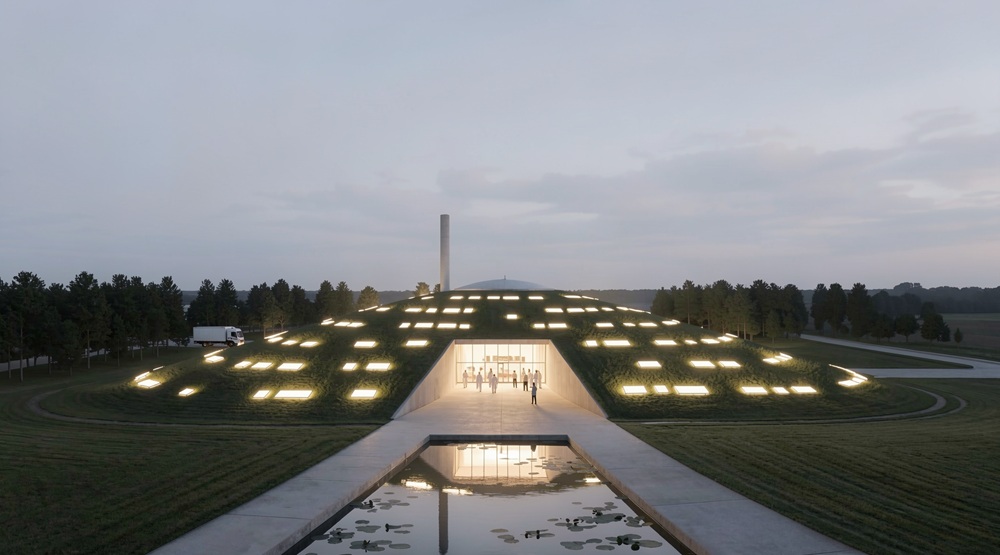
The small nuclear reactor designed by Silvio d’Ascia in partnership with Artelia (a specialist engineering firm) won the 'Architecture for Energy 2026' ideas competition organised by SFENORG, the French Society for Nuclear Energy. The competition aims to explore the role of nuclear energy in existing landscapes, reinventing nuclear architecture.
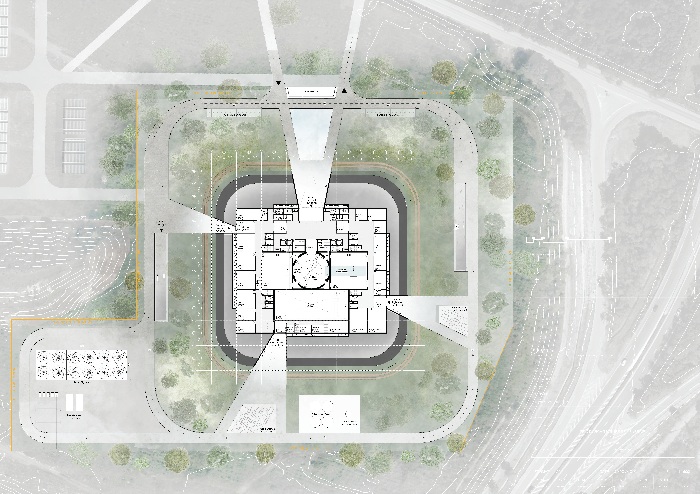
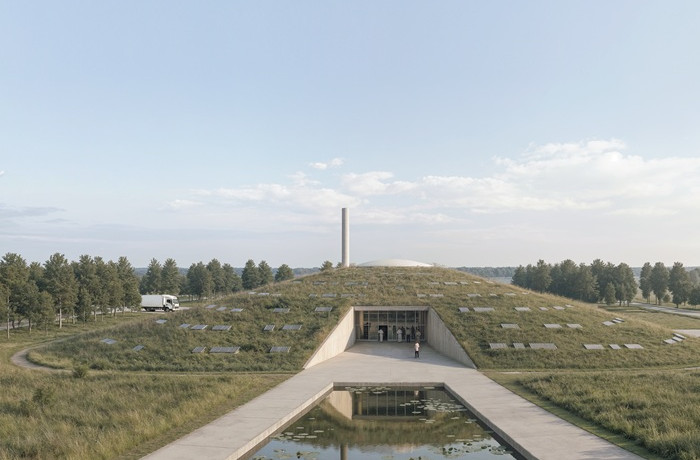
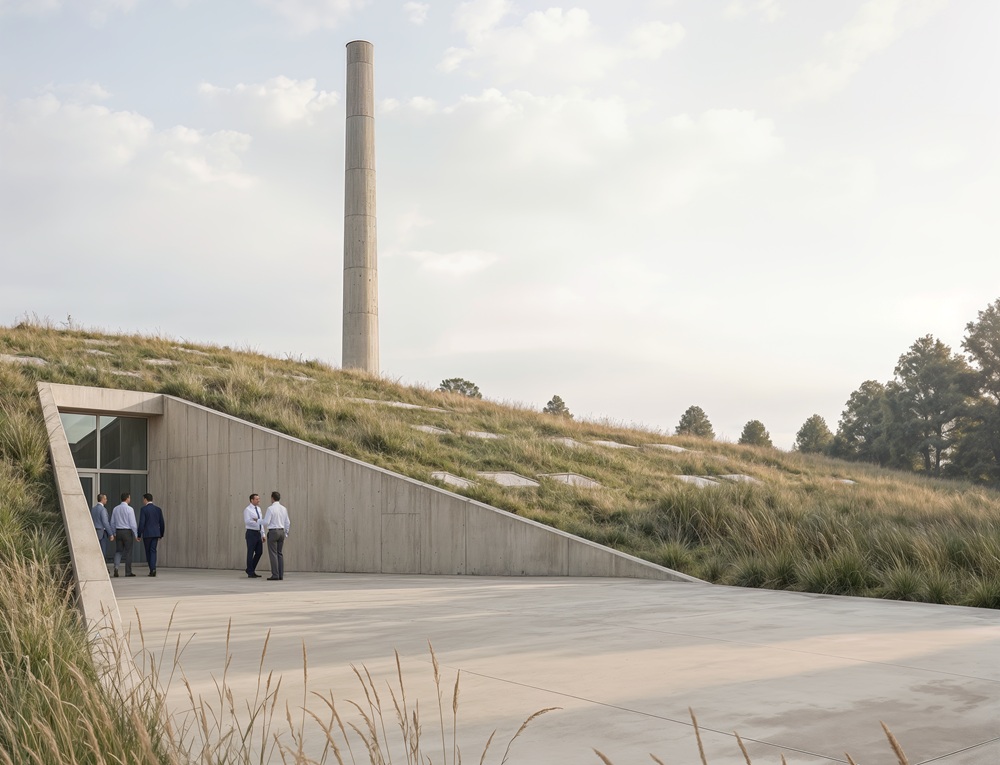
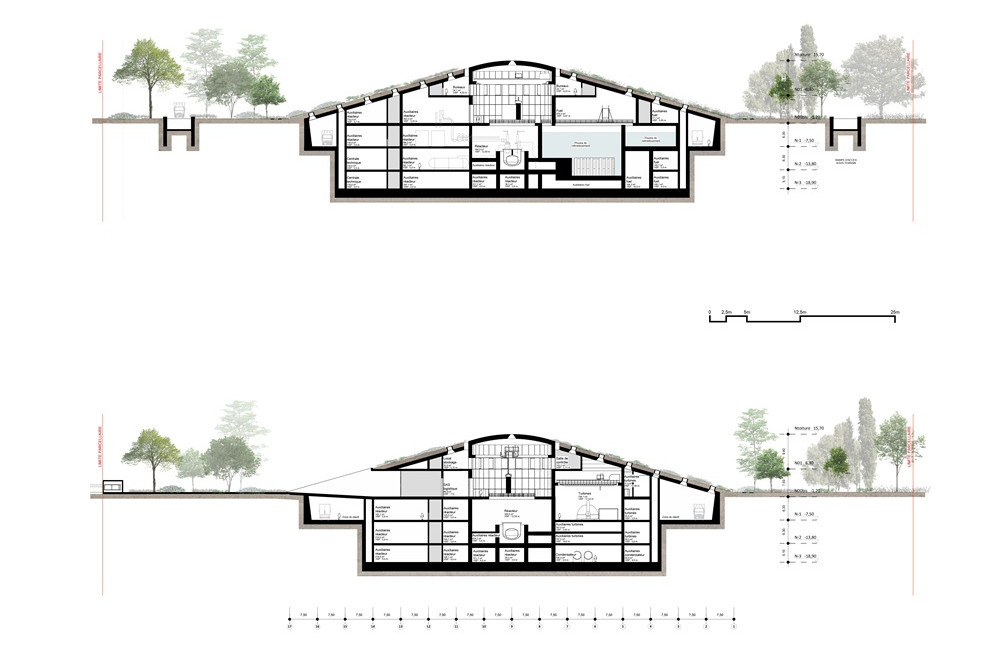
On the cusp between landscape design and infrastructure, the project is rooted in the ground, burying more than half of its surface beneath it and enclosing the remaining sections in an artificial, landscaped hill.
The site itself becomes an active participant in its protective shell and topographic composition. By turning technical and functional constraints into architectural/landscape features, interaction with the ground enables the creation of a new technological form: measured and discreet, enlivened by a series of pixelated openings that evoke the digital world, embodying a certain notion of scientific and energy progress in our ages.
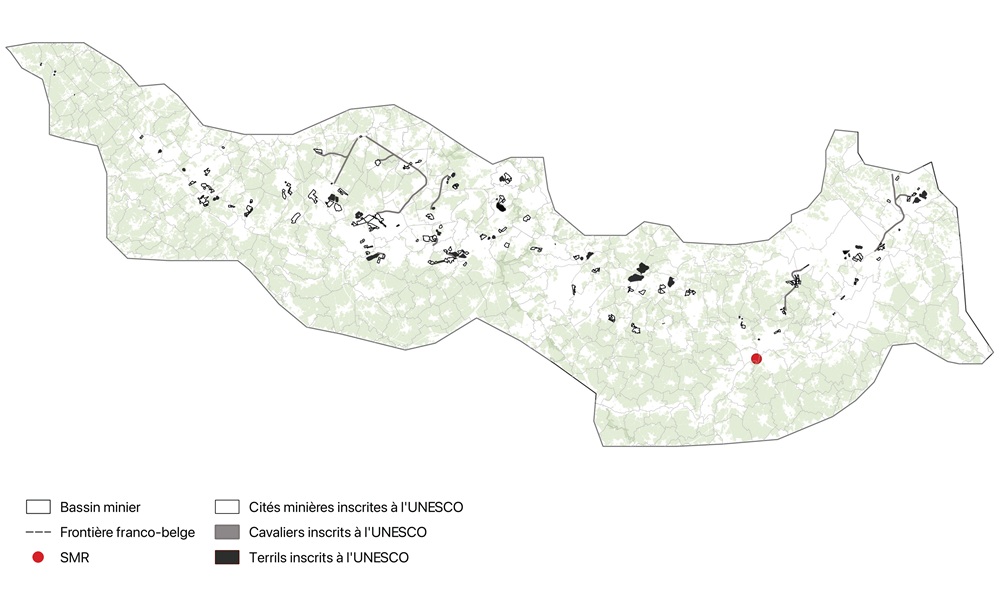
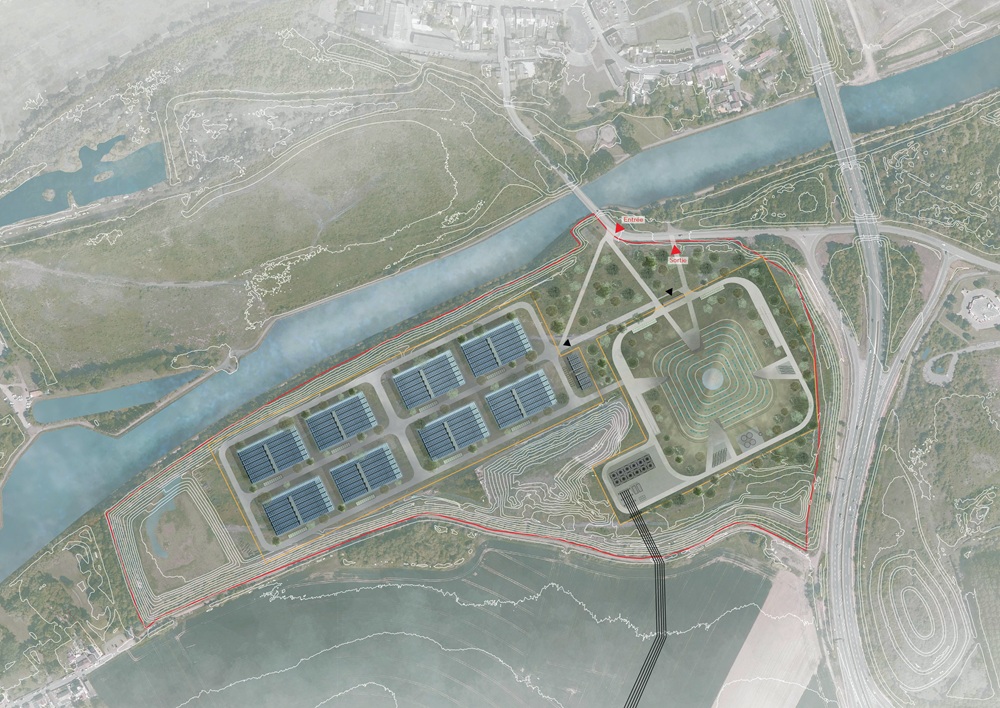
The town of Lourches in the Nord-Pas-de-Calais region proved to be the most suitable place to accommodate this architectural idea in a location that is both natural and industrial. Lourches is indeed located in a former coal mining area featuring a peculiar kind of slag heaps, a legacy of its old mining industry that makes it a unique setting (UNESCO World Heritage Site).
"Our project," so the architect notes, "constitutes a new layer in the evolution of a landscape historically linked to energy, industry and land transformation. To evoke a new mythology for the energy sector, we drew on a wide range of images: Aztec temples reclaimed by nature; overgrown bastions in Vauban’s fortifications; reinforced concrete bunkers from the Second World War; the incredible utopian spaceships found in comics; and even the high-tech megastructures from sci-fi movies.
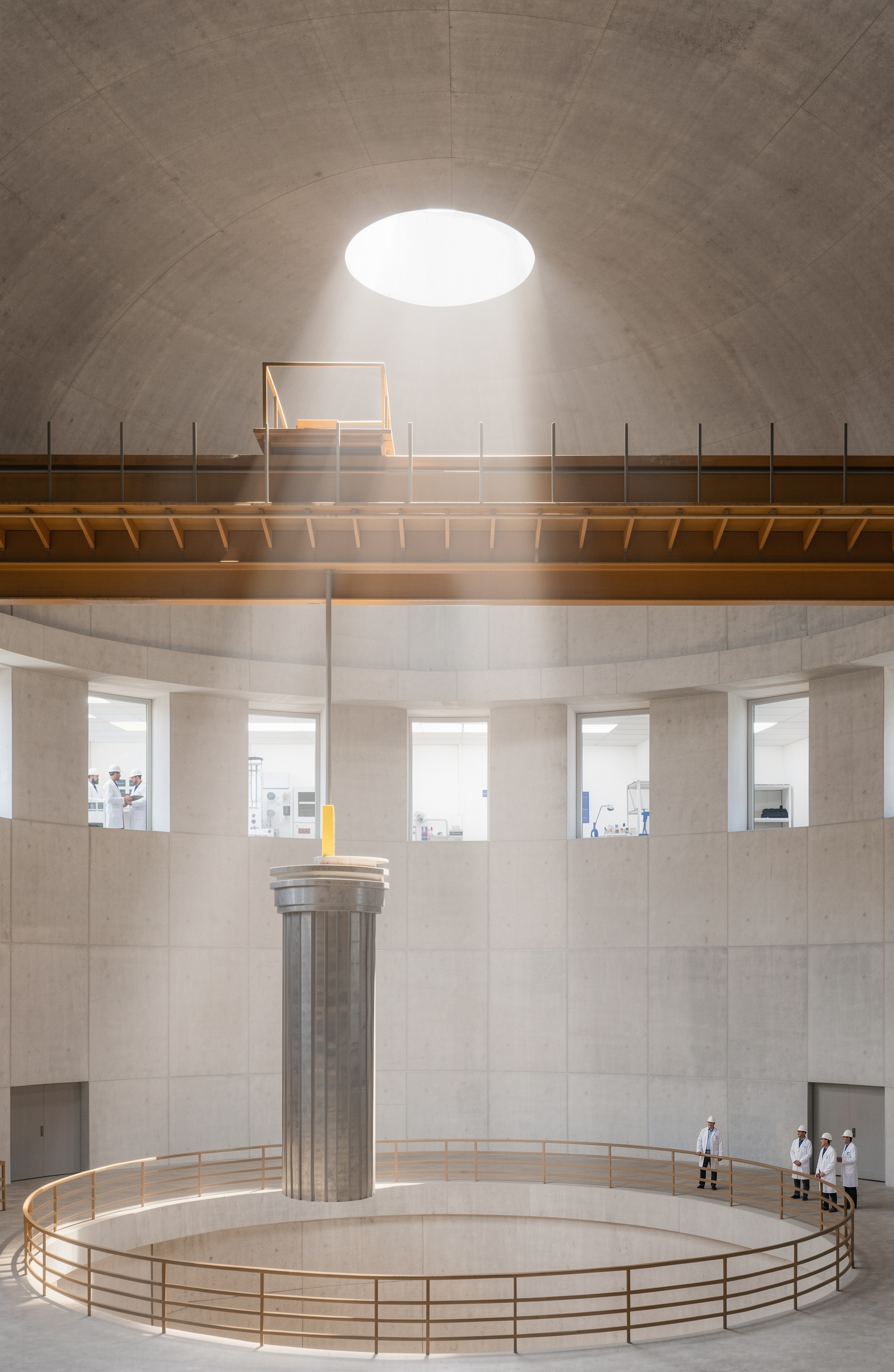
The
technology used here is based on a fast neutron reactor capable of using waste
from existing power plants. The required power is 200 MW, sufficient and
flexible enough to locally supply a factory, several data centres or even a
small town.
Project:
Silvio d’Ascia Architecture; BET:
Artelia - Mauro Mogliati, Nuclear Projects Manager