
MONITOR BY MICHELE BAZAN GIORDANO
DANCE AND ARCHITECTURE
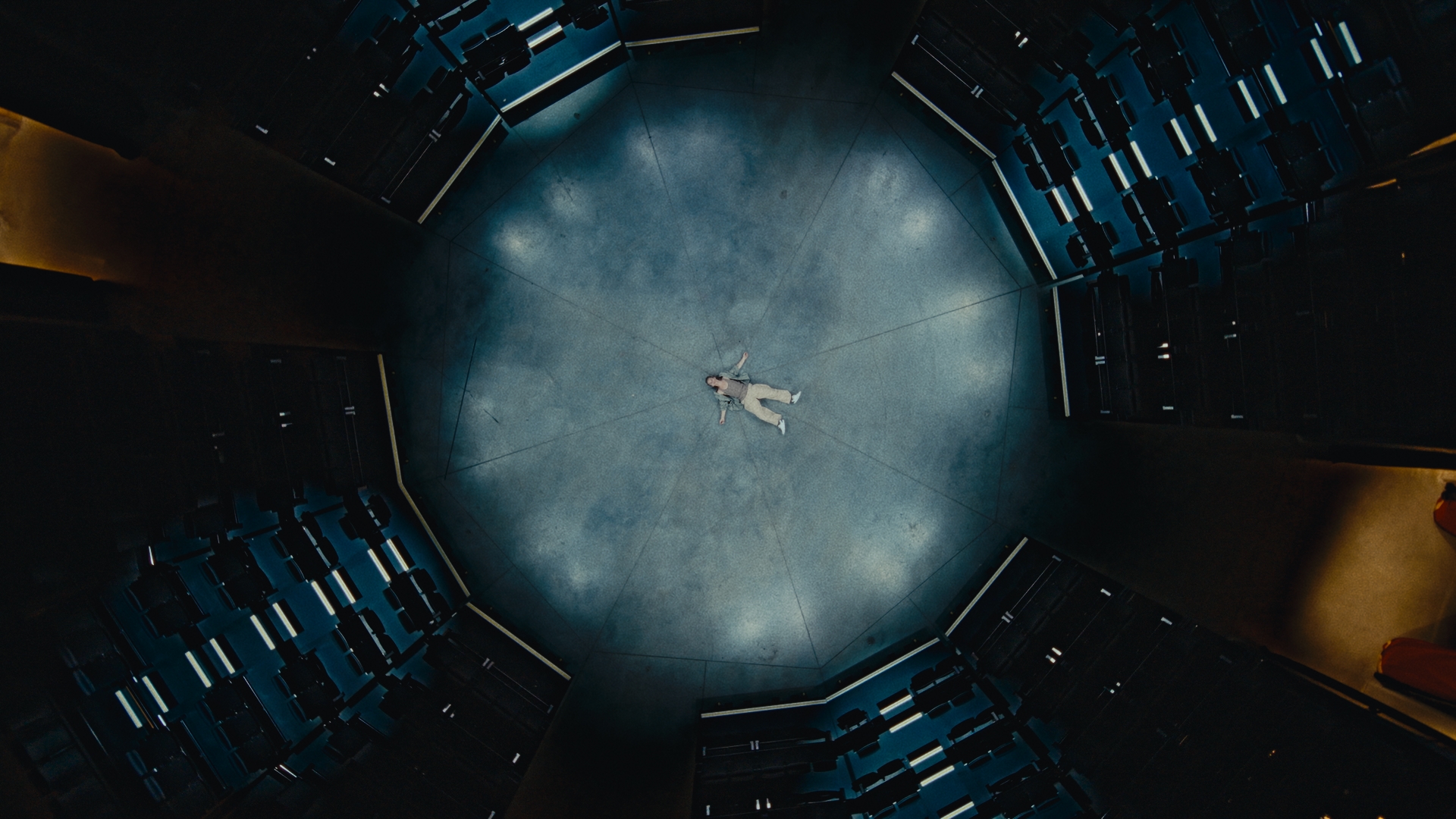
Circus of Love and Lament, © Marta Pulk
«Danza e architettura hanno molto in comune. Entrambe si occupano del praticare lo spazio. Per un ballerino, l’atto della coreografia come scrittura di un luogo avviene attraverso il dispiegarsi di dimensioni spaziali attraverso il gesto e il movimento del corpo. Per l’architetto, lo spazio è il mezzo attraverso il quale emerge la forma ed è costruito l’abitare. Per entrambi, il primo spazio vissuto è quello del corpo» ci ricordava, già tredici anni fa, la coreografa e danzatrice neozelandese Carol Brown, fondatrice della propria compagnia al Place Theatre di Londra. Oggi, grazie alla recente esposizione presentata dal Forum d’Urbanisme et d’Architecture di Nizza diretto da Yves Nacher, si ribadisce il concetto con i nove cortometraggi sul tema di Dance+City.
“Dance
and architecture have a lot in common. Both are about using space. For a
dancer, choreography provides the means of interpreting the various dimensions of
space through gesture and body movement. For an architect, space is the medium
through which form emerges and inhabited space is constructed. For both, the
first kind of space experienced is that of the body,” as was pointed out
thirteen years ago by the choreographer and dancer from New Zealand, Carol
Brown, who set up her own company at Place Theatre in London. Today,
thanks to a recent exhibition presented by the Forum d’Urbanisme et
d’Architecture in Nice directed by Yves Nacher, the concept is reiterated through
nine short films on the theme of Dance+City. Over the years, a lot of material
has been created on these inseparable issues, especially through audiovisual
means.
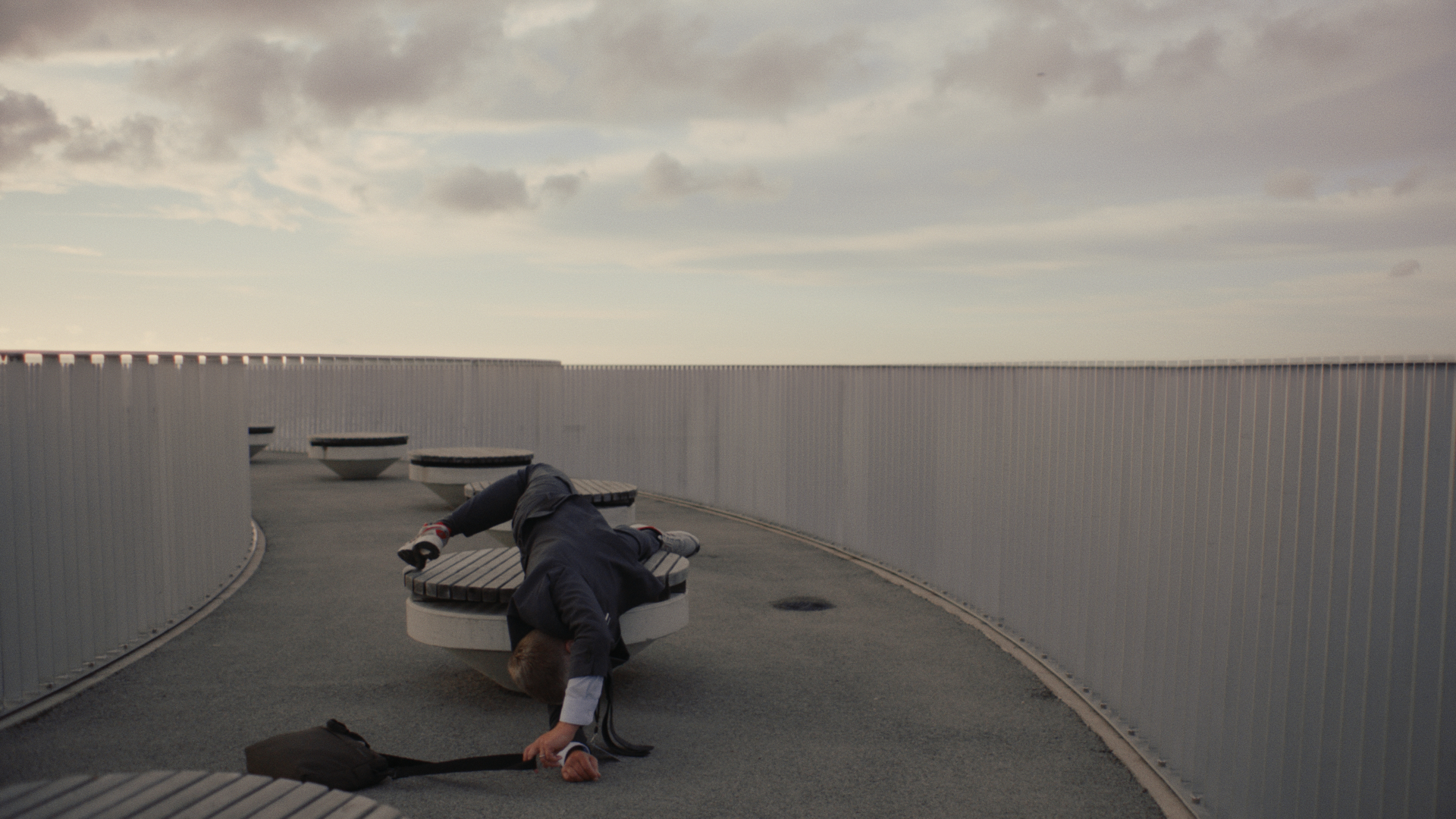
YES! © Madli Lääne
Nel corso degli anni, su questo indissolubile connubio si è prodotto molto materiale, soprattutto attraverso il mezzo audiovisivo. Basti pensare - ma solo per fare qualche esempio fra i tantissimi possibili - ad alcuni film di Anne Teresa De Keersmaeker, tratti da coreografie provenienti da opere ideate per il teatro in edifici di Henry Van de Velde; oppure a Frédéric Flamand e la sua collaborazione con l’architetto Zaha Hadid, che ha firmato le scenografie e i costumi dello spettacolo Metapolis.Project 972 (2000) poi Metapolis II (2006) prefiggendosi di «far danzare lo spazio»; o, ancora, ai filmati del New York City Ballet con i danzatori sul tetto del Four World Trade Center (ricostruito a partire dal 2008 e inaugurato nel 2013 per commemorare il 12° anniversario dell'11 settembre) con momenti affascinanti che pongono a confronto la danza e lo skyline della Grande Mela.
Just take for instance – to provide a few examples from the many available - of certain films by Anne Teresa De Keersmaeker based on choreographies created for theatrical works in buildings designed by Henry Van de Velde; or Frédéric Flamand and his partnership with the architect Zaha Hadid, who designed the sets and costumes for the show entitled Metapolis.Project 972 (2000) and later Metapolis II (2006), aimed at "making space dance"; or, similarly, film footage of the New York City Ballet showing dancers on the roof of the Four World Trade Center (reconstructed starting in 2008 and officially opened in 2013 to commemorate the 12th anniversary of 11th September) with fascinating clips juxtaposing dance and the skyline of the Big Apple.
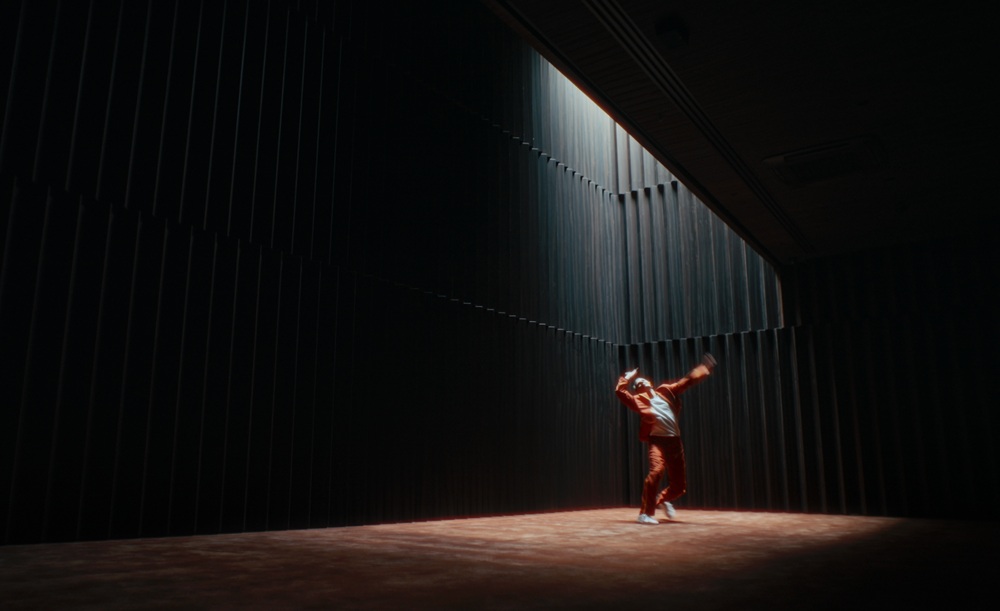
Drama
King © Valērijs Oļehno
Ma torniamo a Dance+City e ai suoi video, esaminandone alcuni. Nella proposta della estone Marta Pulk (Circus of Love and Lament) i ballerini arrivano a volare per riprendersi gli spazi di uno dei circhi permanenti più antichi d'Europa, il Riga Circus (1889, poi ampiamente restaurato) dell’architetto lettone Frīdrihs Jānis Baumanis, allestendo un corroborante spettacolo di danza che è un inno alla gioia anche attraverso un montaggio audiovisivo che alterna «prospettive che dilatano o contraggono gli spazi in una passeggiata architettonica immaginaria alla Escher» (spiega Yves Nacher), ma il dubbio che permane nello spettatore è che sia stato solo un sogno; In Yes! di Madli Lääne (Estonia) girato al Cruise Terminal di Tallinn ritroviamo un’ironia tipica del regista finlandese Aki Kaurismaki, ma anche dello svedese Roy Andersson, Leone d’Oro al Festival del Cinema di Venezia del 2014.
But let's get back to some of the videos of Dance+City. In the work by the Estonian Marta Pulk (Circus of Love and Lament), the dancers seem to fly as they reclaim the space of one of Europe's oldest permanent circuses, the Riga Circus (1889, later extensively restored) designed by the Latvian architect Frīdrihs Jānis Baumanis, performing an invigorating dance that is a hymn to joy, drawing on an audiovisual montage that alternates "perspectives that expand or shrink spaces in an imaginary architectural walk à la Escher" (according to Yves Nacher), leaving a lingering doubt in the viewer’s mind that it might have been just a dream; Yes! by Madli Lääne (Estonia), filmed at the Tallinn Cruise Terminal, features the kind of irony associated with the Finnish director Aki Kaurismäki and also the Swedish director, Roy Andersson, who won the Golden Lion at the Venice Film Festival in 2014.
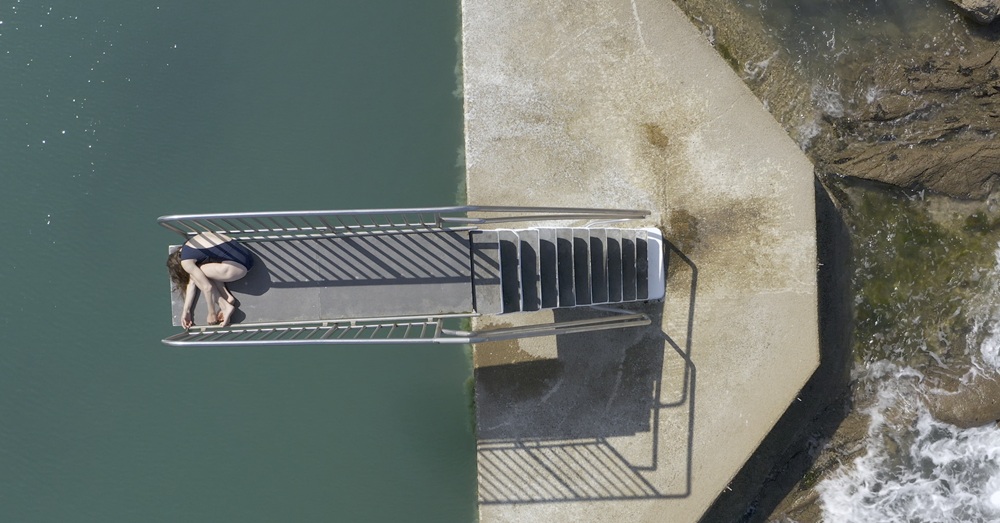
Sea Fragment © Laure Delamotte-Legrand
In Yes! un buffo uomo giunge a schiacciarsi, deformarsi, per dar ‘spazio allo spazio’; il lituano Valērijs Oļehno nel suo Drama King ci mostra, invece, le vicende dell’addetto alle pulizie che lavora a ritmo di rock scatenandosi contemporaneamente in un ballo sfrenato, quasi a liberarsi dalla ripetitività dei gesti quotidiani che quegli spazi (il Lithuanian National Drama Theatre di Vilnius) gli impongono. Fra i corti più interessanti anche quello del francese Sea Fragment di Laure Delamotte-Legrand, ambientato nella Seawater swimming pool di Saint-Quay-Portrieux, una piscina che si riempie con le acque del mare solo quando c’è l’alta marea.
In Yes!, a comical man ends up squashing himself, deforming to 'make space for space'; Drama King by the Lithuanian director Valērijs Oļehno tells the story of a janitor, who works to the rhythm of rock music while simultaneously breaking into a wild dance, as if to free himself from the repetitiveness of the daily tasks that these spaces (the Lithuanian National Drama Theatre in Vilnius) impose on him. One of the most interesting short films is Sea Fragment by the French director Laure Delamotte-Legrand set in the seawater swimming pool in Saint-Quay-Portrieux, a pool that only fills with seawater at high tide.
H61, © Rūta Ronja Pakalne
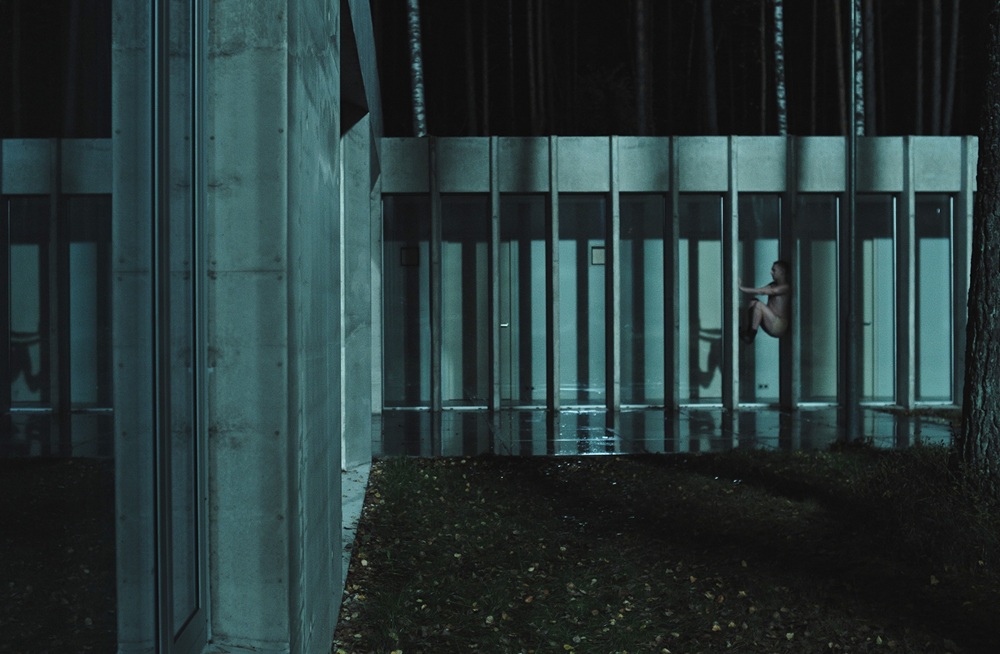
D’altra parte, giàLe Corbusier nel Modulor come, ancor prima, Vitruvio e Leonardo erano alla ricerca di un rapporto ideale fra uomo e ambiente e anche il Bauhaus, con Oscar Schlemmer, sperimentò il rapporto fra corpo umano e geometria. L’architettura, visti i troppi pessimi risultati del costruito odierno, va vista sempre più come servizio rivolto al benessere di chi la vive e l’interdisciplinarietà delle arti può fare molto per cambiare rotta. E quanta psicoanalisi, a ben guardare, c’è nei filmati di Dance+City! Scrive lo psichiatra Cosimo Schinaia nel suo saggio Interno-Esterno. «Risulta sempre più necessario rivolgere l'attenzione alla complessità del sistema simbolico che unisce gli abitanti alle case e alle città attraverso un fruttuoso confronto fra sapere architettonico, sapere urbanistico e sapere psicoanalitico. Architetti, urbanisti e psicoanalisti possono arricchire le specifiche competenze, assumendo altri vertici di osservazione per giungere a una visione generale della relazione tra risorse, individuo e territorio e, quindi, a una sostenibilità psicologica e ambientale che favorisca il benessere dell’uomo»
A kind of ideal relationship between man and environment was studied by Le Corbusier in the Modulor and, going back even further, also by Vitruvius and Leonardo. Oskar Schlemmer from the Bauhaus Movement also experimented with the relationship between the human body and geometry. Given how poor today’s built environment is, architecture needs increasingly be viewed as a service aimed at the well-being of those who use it, and the interdisciplinarity of the arts can do much to turn the situation around. If you look closely, you can clearly see how much psychoanalysis there is in the Dance+City videos, so the psychiatrist Cosimo Schinaia notes in his essay entitled Interior-Exterior. “There is a growing need to focus on the complexity of the symbolic system that connects inhabitants to both their homes and cities through fruitful dialogue between architectural knowhow, urban planning expertise and psychoanalytic knowledge. Architects, urban planners, and psychoanalysts can enrich their specific realms of expertise by adopting different perspectives focused on attaining a general understanding of the relationship between resources, individual people and the land. This will result in a kind of psychological/environmental sustainability that promotes human well-being.”