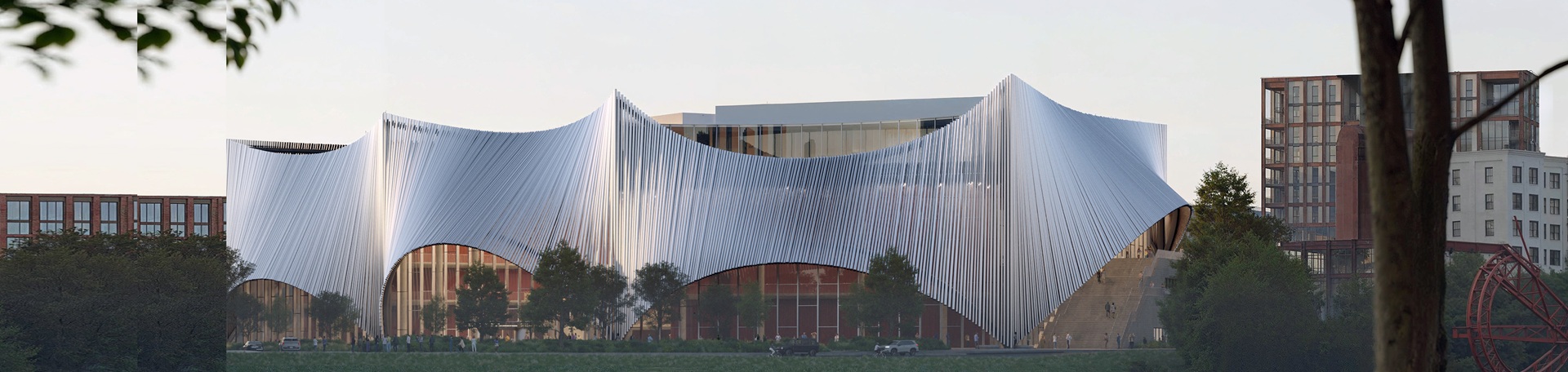
GAE AULENTI PHYLLIS LAMBERT CROSSED HISTORIES
ARCHIZOOM, LAUSANNE ʺCROSSED HISTORIESʺ
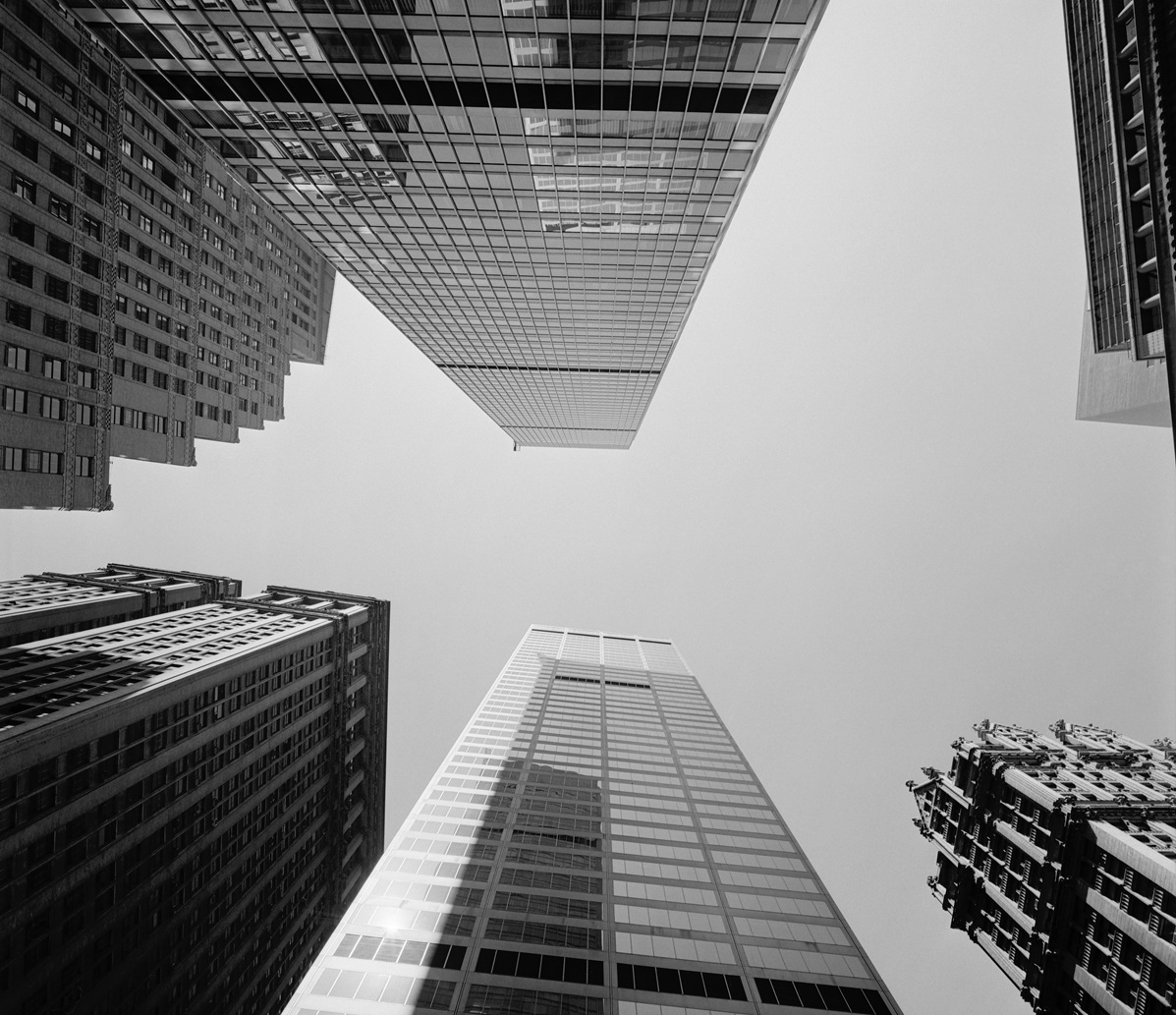
Phyllis Lambert, Espace en négatif, New York City, 1968 (tirage chromogénique) Collection Phyllis Lambert, Montréal, PL-1596. © Phyllis Lambert Previous
Présentéejusqu’au 28 novembre 2025 dans l’espace d’exposition Archizoom, sur le campus EPFL à Lausanne, Histoires croisées met en lumière certaines réalisations emblématiques de l’architecte italienne Gae Aulenti (1927-2012), de la canadienne Phyllis Lambert (1927) et de la critique américaine Ada Louise Huxtable (1921-2013).
Running until 28th November, 2025, in the Archizoom exhibition space on EPFL campus in Lausanne, Histoires croisées showcases some of the emblematic works of Gae Aulenti from Italy (1927-2012), Phyllis Lambert from Canada (1927), and the American critic Ada Louise Huxtable (1921-2013).
Presentata
fino al 28 novembre 2025 nello spazio espositivo Archizoom nel campus dell'EPFL
di Losanna, Histoires croisées mette in luce alcune delle opere emblematiche dell’italiana
Gae Aulenti (1927-2012), della canadese Phyllis Lambert (1927) e della critica
americana Ada Louise Huxtable (1921-2013).
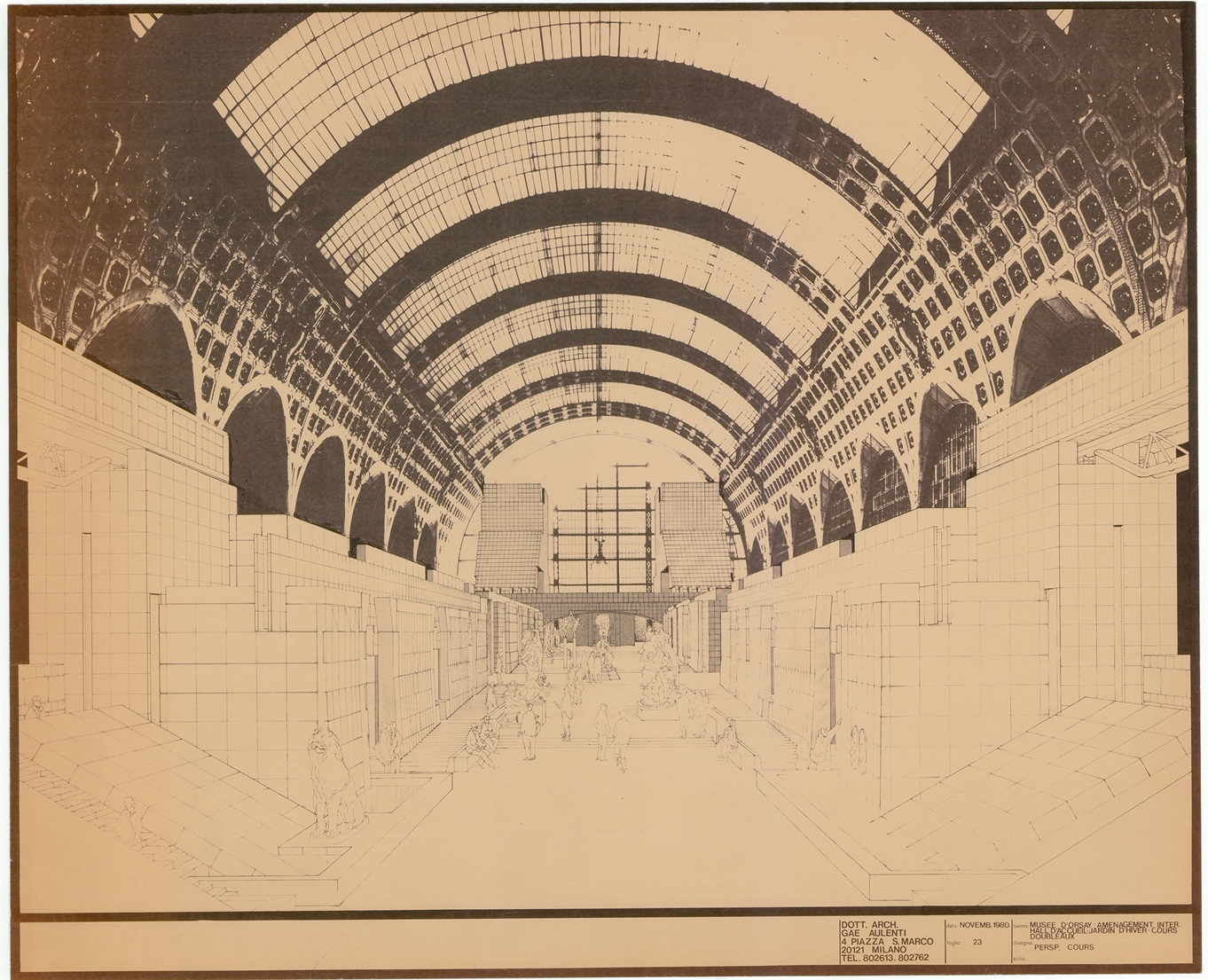
Gae Aulenti, Musée d’Orsay, Paris, perspective, ca 1980, (reproduction sur papier, 58,5 × 71 cm). Archivio Gae Aulenti, Milan. © AGA
Actrices majeures de la transition entre le modernisme et le postmodernisme, elles comptent parmi les figures les plus influentes de l’architecture et du design dans l’effervescence de l’après-guerre contribuant à ouvrir le débat sur l’architecture et la ville.
Protagoniste della transizione tra modernismo e postmodernismo, furono tra le figure più influenti dell'architettura e del design durante l'effervescente periodo del dopoguerra, contribuendo ad aprire il dibattito su architettura e città.
As key players in the transition from modernism to postmodernism, they were among the most influential figures in architecture and design during the vibrant post-war period, helping to promote debate into architecture and cities.
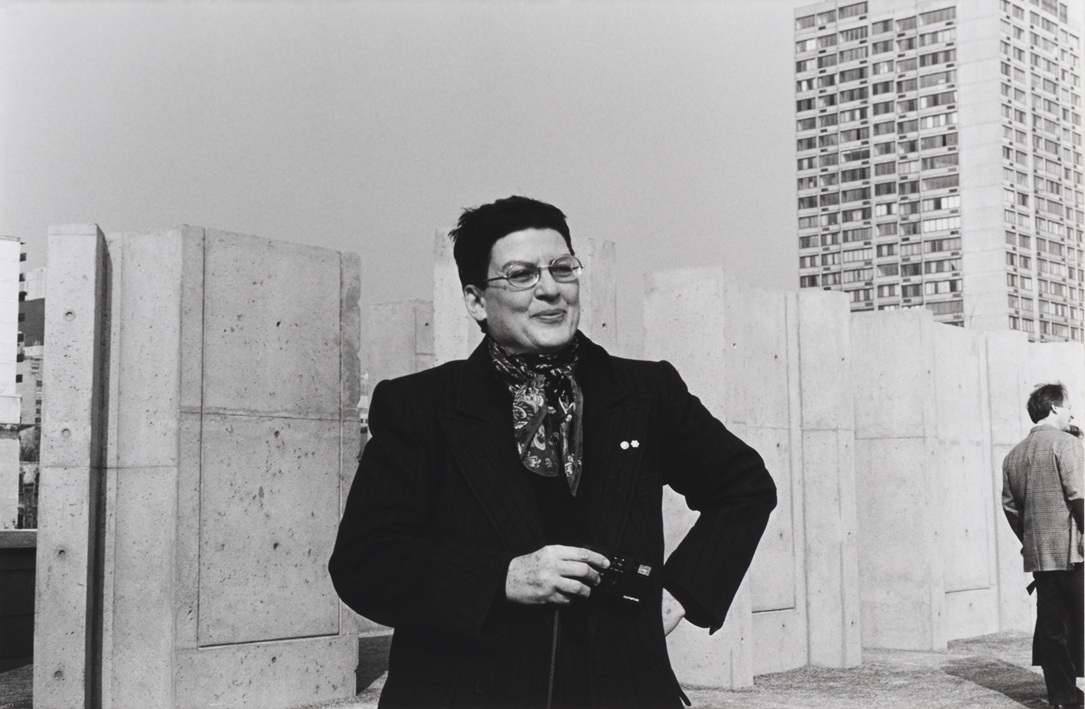
Phyllis Lambert, la maison Shaughnessy, et le jardin de sculptures du CCA, 1989 (tirage à la gélatine argentique). Centre canadien d’architecture, Fonds Phyllis Lambert, Montréal, © D.R
À partir d’images d’archive, de dessins et de photographies, cette exposition documentaire explore cinq projets de la deuxième moitié du siècle dernier – Le Seagram Building et sa Plaza (New York); La destruction de Pennsylvania Station (New York); Le projet de documentation des édifices en pierre grise de Montréal et la création du Centre canadien d’architecture (CCA); Le Musée d’Orsay (Paris); et Piazzale Cadorna (Milan) – suivant une série de fils rouges qui entrecroisent ces histoires en un réseau de relations étroites qui, ensemble, établissent un nouveau récit collectif.
Attraverso immagini d'archivio, disegni e fotografie, questa mostra documentaria esplora cinque progetti della seconda metà del secolo scorso: il Seagram Building e la sua Plaza (New York); la distruzione della Pennsylvania Station (New York); il progetto di documentazione degli edifici Greystone di Montréal e la creazione del Centro Canadese per l'Architettura (CCA); il Musée d'Orsay (Parigi); e Piazzale Cadorna (Milano) – seguendo una serie di fili conduttori che stabiliscono una nuova narrazione collettiva.
Drawing on archive images, drawings, and photographs, this documentary exhibition explores five projects from the second half of last century: the Seagram Building and its Plaza (New York); the destruction of Pennsylvania Station (New York); the documentation project of the Greystone buildings in Montreal and the creation of the Canadian Centre for Architecture (CCA); the Musée d'Orsay (Paris); and Piazzale Cadorna (Milan) – following a series of leit-motifs forming a new collective narrative.