05. MONITOR BY MICHELE BAZAN GIORDANO
PALAZZO BAROLO: DANTESCO OR QUASI-FUTURISTIC?
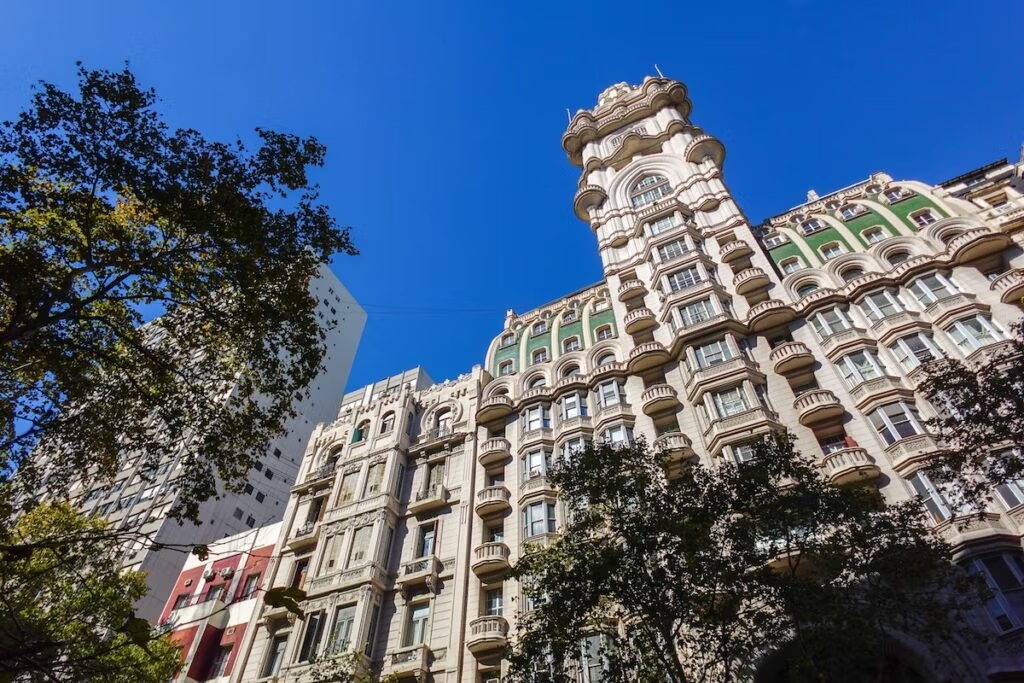
In a short story from 1956 entitled Parábola del palacio (The Parable of the Palace), Jorge Luís Borges (1899-1986) describes an emperor who builds an incredibly intricate palace that reflects the perfection of the universe. A court scholar objects that someone has written something more perfect, claiming that the poem in question surpasses the palace capturing the same degree of perfection in just a few verses without taking up any physical space. The building Borges often passed by in Buenos Aires, which might well have inspired him, is located on Avenida de Mayo and is called Palacio Barolo, designed by Mario Palanti (1885-1978), an architect from Casalbuttano in the Cremona area (although he was actually born in Milan). Palanti had what might be described as a phantasmagoric mind manifested in the skyscraper mentioned above (and its twin in Montevideo) that is named after the person who commissioned the work: Luigi Barolo, an emigrant who fled from the poverty of Italy at the time back in 1890 and who, within just a few years, became very rich thanks to the textiles business he painstakingly established in Buenos Aires. To this day, Palazzo Barolo is surrounded by an aura of mystery, starting with its style, a mix of Venetian Gothic, Neo-Romanesque and even Indian architecture.
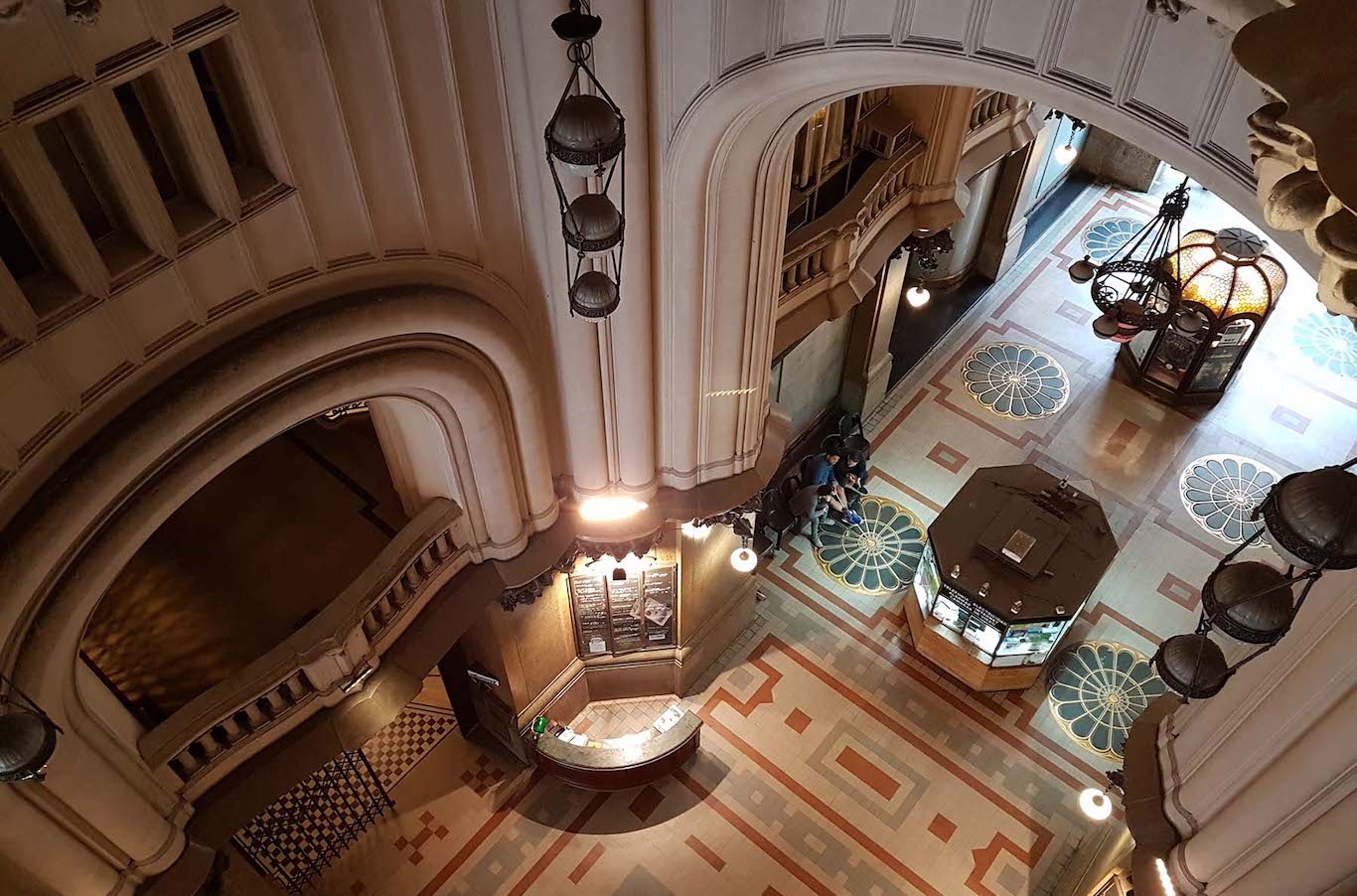
Then there are the cultural and personal motivations that inspired the architect Palanti, a member of the medieval Masonic lodge of the Holy Faith (still in existence) devoted to Dante Alighieri. His skyscraper is, indeed, an authentic tribute to the Divine Comedy. Palanti left nothing to chance: the skyscraper is hundred meters tall (and was the tallest in South America for a number of years), one metre for each canto in Alighieri’s poem. And the building is divided into three sections adorned with Latin phrases referencing Dante’s circles. But the building is much more than these and its many other literary metaphors, Palazzo Barolo is also an innovative work of structural ingenuity: 4,300 m2 of reinforced concrete; 8,300 of brickwork; 1,400 square metres of floors; 1,450 of stuccoes and coverings; 70,000 sacks of cement; 650 tons of iron and over 1,500,000 bricks.
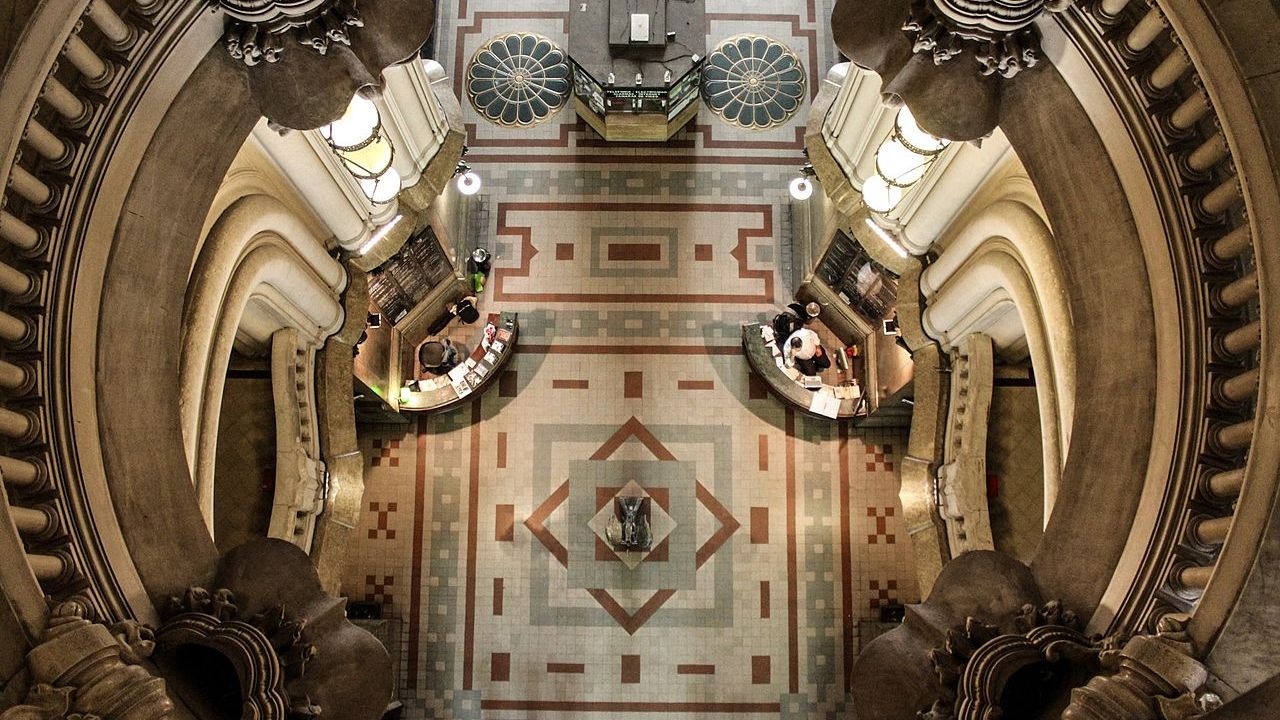
An extremely meticulous man, Palanti’s design for the dome is perfectly aligned with the Southern Cross of the Indian temple Rajarani Bhubaneshvar on the first few days in June, just as Dante wanted. Almost inevitably, the building soon became a location for numerous films, including Highlander II – The Quickening (1991) directed by Russell Mulcahy and shot in Argentina. Might Palanti’s be best described as an esoteric work of architecture with quasi-futuristic connotations? Or is it, perhaps, just a spiritual tribute to Dante? Michele Bazan Giordano