06 SPOTLIGHT BY JAQUELINE CERESOLI
In the lagoon we are the water that we Recycle, conserve, cross and ENVISAGE: a fluid threshold between THE past and present WHERE THE future IS already drowning IN the ruins of Western colonialism.
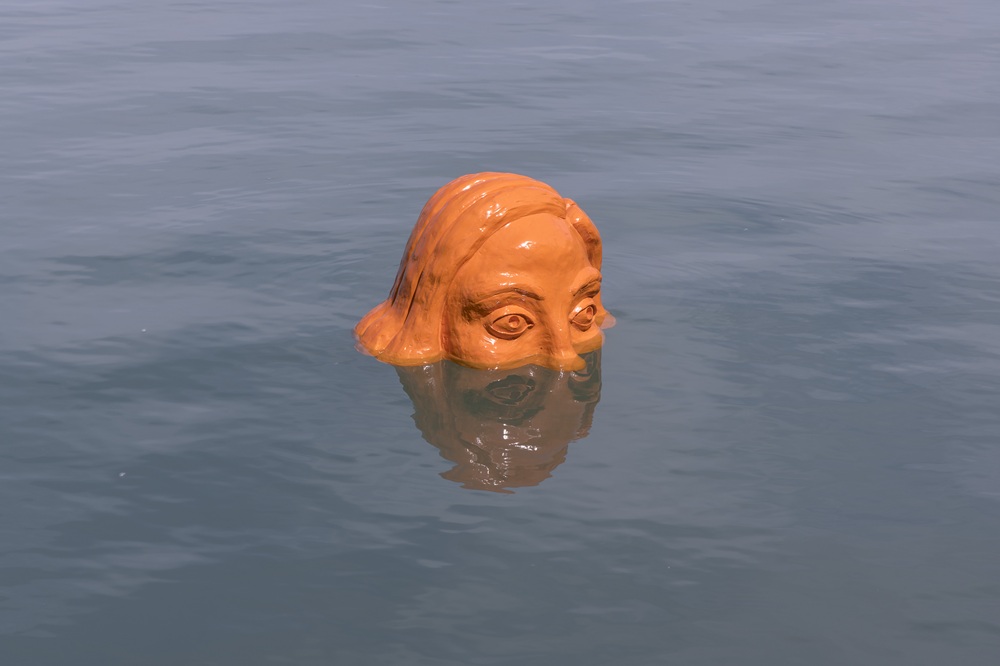
Maher Alice, Les Filles d’ Ouranos , 1996 2025. Ph. Marco Zorzanello. La Biennale di Venezia
Since the first edition of the Venice Biennale was held in 1895, everything has been provocation, communication and controversy, starting with the painting by Giacomo Rosso (1860-1938) entitled Supremo convegno, scandalous for the time that featured five naked women around a coffin. The painted was exhibited in a small separate room of its own. The naked female body has been the subject of numerous performance works from the 1970s to the present today. It once again takes centre stage at the Austrian pavilion, where Florentina Holzinger (Vienna, 1986) presents an interdisciplinary project entitled “SeaWorld Venice,” curated by Nora-Swantje Almes, in which the female body is objectified in a thought-provoking way, focusing on tension between nature and technology and featuring eye-catching performances as a means of social and environmental protest. Here we have everything from dancing motorbikes ridden by naked Valkyries, girls submerged in an aquarium and even a woman hanging upside down used to ring a bell with a funereal sound; calling attention to our violated Planet, everything is new-dada and not exactly in << a minor key>>, as suggested by the title of this festival-extravaganza focused on the age-old issue of artistic freedom.
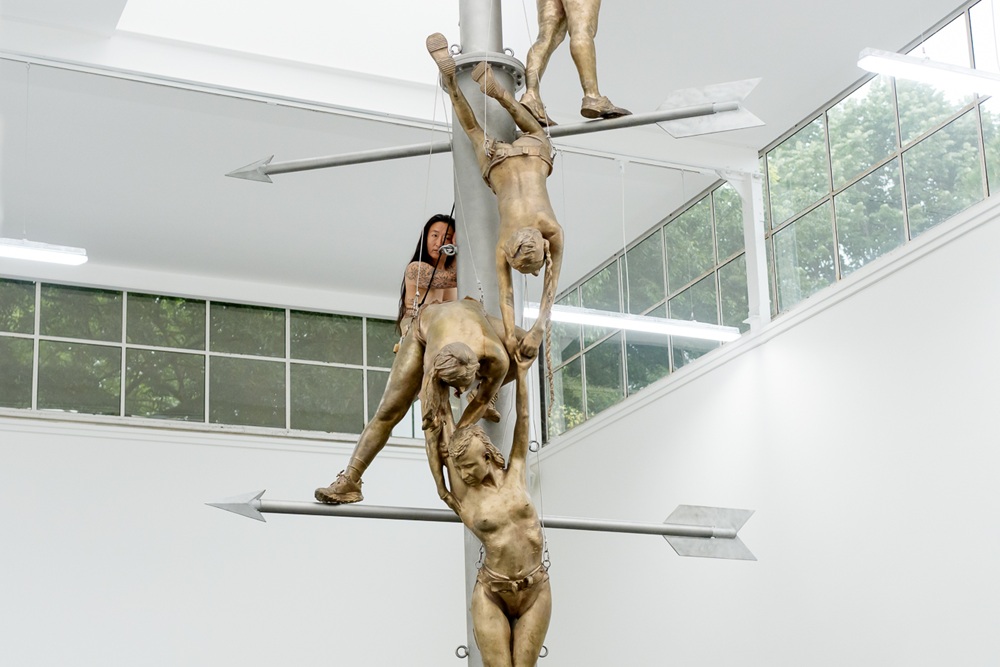 Pavilion
of Austria, Florentina Holzinger, Seaworld Venice. Ph.Andrea Avezzù. Courtesy: La Biennale di Venezia
Pavilion
of Austria, Florentina Holzinger, Seaworld Venice. Ph.Andrea Avezzù. Courtesy: La Biennale di Venezia
Leaving aside “La merde,” a gigantic and horrifying excrement displayed in the Luxembourg pavilion, and many other more or less striking installations destined to be instantly forgotten, contemporary art is celebrating itself in the name of freedom, inclusion, and hope for a new sense of humanity etc. that nobody listens to anymore and or really believes in. What remains are all the political factions, right- and left-wing ideologies, demonstrations, censorships, openings and closings, and mass protests that were treated like vernissages during the hectic days of the press preview.
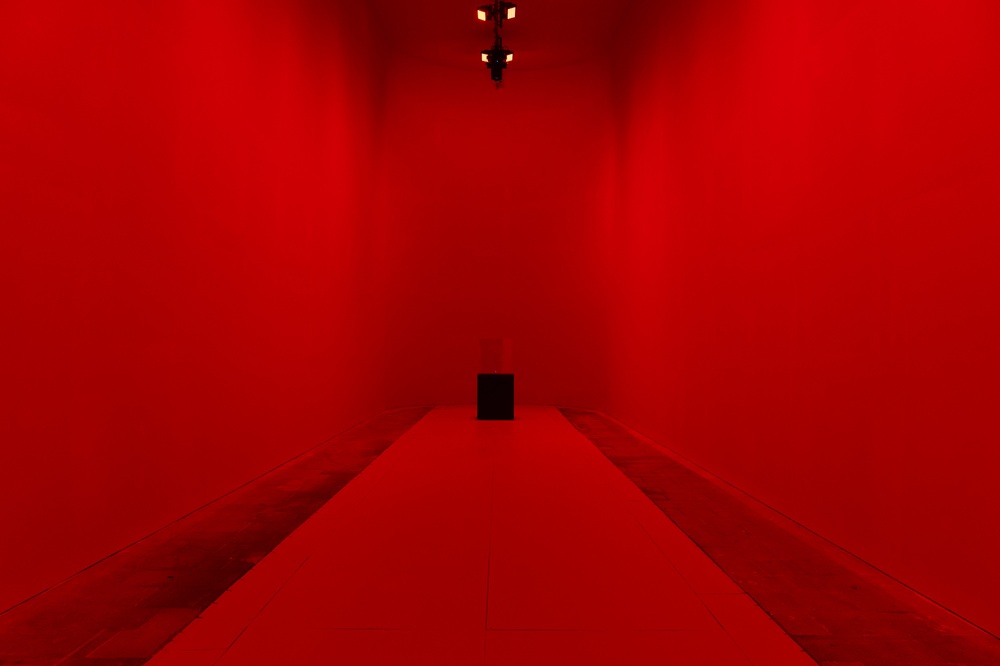
Alfredo Jaar, The End of
the World, 2023-2024. Ph. Luca
Zambelli Bais. Courtesy: La Biennale di Venezia
Minor Keys is a media mechanism made of the kind of “anthro-political” facts and fake information characterising out complex world, which for years now have been raised to the status of ‘major keys'. 111 artists chosen by Koyo Kouoth, who passed away prematurely on 10th May, 2025, tell us nothing new and in no way activate any democratic processes. We, the public, are observers of ethnological journeys through post-colonialism, gender equality, environmental crisis, African feminism and various 'womanisms', as the white man is depicted as a capitalist monster and being European appears to be a crime in itself. The theme of environmentalism comes to the fore in the Giardini and, generally speaking, we emerge with an awareness that Western art, engulfed by artists from the Global South and transnational culture, has a redeeming role to play in an art system which, for years, has been a means of making white and black capitalists rich.
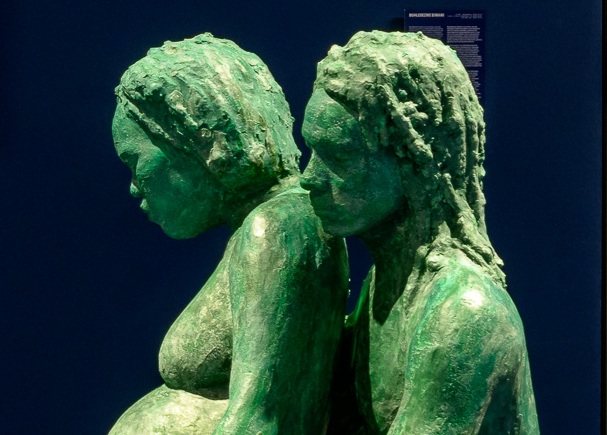
Buhlebezwe
Siwani, ‘Zanenkosi’ and ‘Ilifa lakhe’ (2022). Ph.
Andrea Avezzù. Courtesy: La Biennale di Venezia
The designated curators Gabe Beckhurst Feijoo, Marie Hélène Pereira and Rasha Salti (advisors), Siddhartha Mitter (editor-in-chief) and Rory Tsapayi (research assistant) have staged the main themes along the same lines as previous biennials. The age of capital is denounced in the name of craftsmanship, manufacturing, clay, apotropaic fetishes and landscapes. There are altars, Picasso-like paintings, magmatic explosions of polychrome marks, totemic sculptures, figurines of animals, sound trees, obelisks, not many videos, and a clear disinterest in technology. Sustainable anti-colonialist green culture is the focus of attentions; an eco-sophist trend with lots of water here and there in various installations (symbolising purification and rebirth).
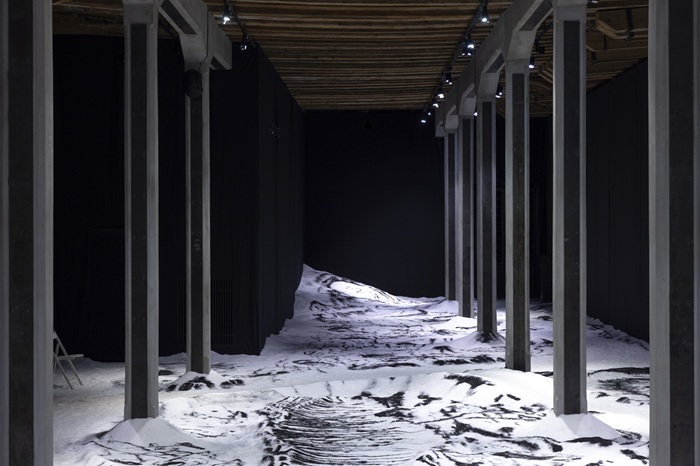 Pavilion of ARGENTINA, Matías
Duville, The Tower Tomb of Palmira. Ph. Marco
Zorzanello. Courtesy: La Biennale di Venezia
Pavilion of ARGENTINA, Matías
Duville, The Tower Tomb of Palmira. Ph. Marco
Zorzanello. Courtesy: La Biennale di Venezia
Amongst miscellaneous deities, simple fabrics and materials (rescued or recycled), this parade of ‘lagoon’ collectives of artists from the global south who have worked in the West clearly demonstrates that the dominant radical-chic culture is anti-European. Even the Venuses by the South African artist Buhlebezwe Siwani, inspired by those from the Italian Renaissance, are black, naked and beautiful. Ideal models for the next cover of Vogue perhaps? And in this less conceptual/digital scenario compared to recent years, the Italian Pavilion, curated by Cecilia Canziani and featuring by Sister and Daimon, anthropomorphic sculptures by the Piacenza-born artist Chiara Camoni (1974), fails to hit the headlines; it is all to artisanal, slow and rarefied.
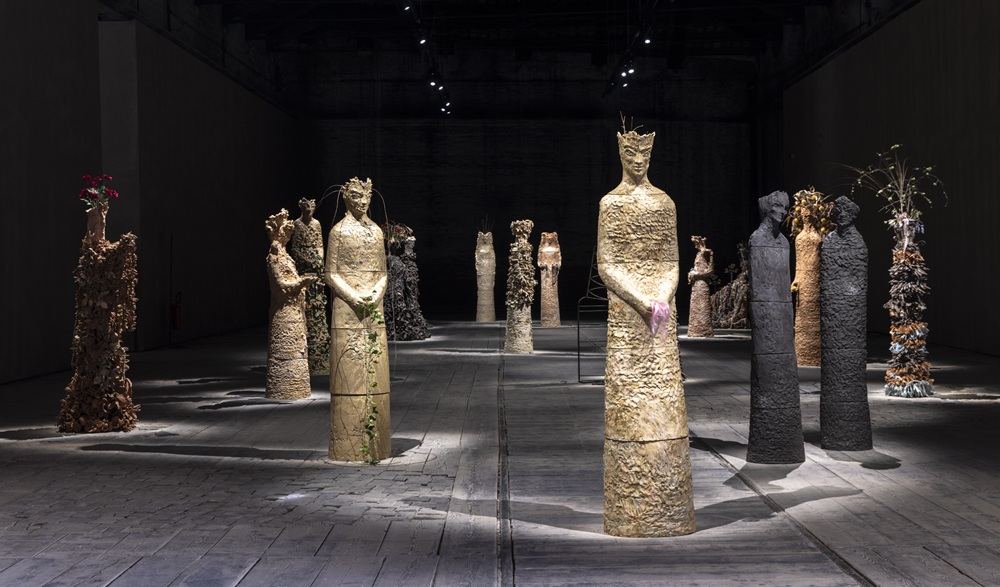
Pavilion of
ITALY, Chiara Camoni, Con te, con tutto.
Ph. Marco Zorzanello. Courtesy: La Biennale di Venezia
Sculptures inspired by Etruscan-Minoan motifs made of stoneware porcelain or clay stand behind symbolic archaic columns that are powerless against the bedlam of Pussy Riot shouting <<Russia kills Venice>>. Shrouded in their hieratic silence, slightly larger than human size, they seek dialogue with the bodies of visitors who are distracted and deaf to their calls, overwhelmed by the hubbub caused by the Global Sumud Flotilla that has just returned to Italy; new myths in an age entrenched in individualism and political-cultural oppression, where art has died under the weight of hypocrisy on both the right and left, as we vote for artists to win Golden Lions as if we were at the San Remo music festival. Jcqueline Ceresoli
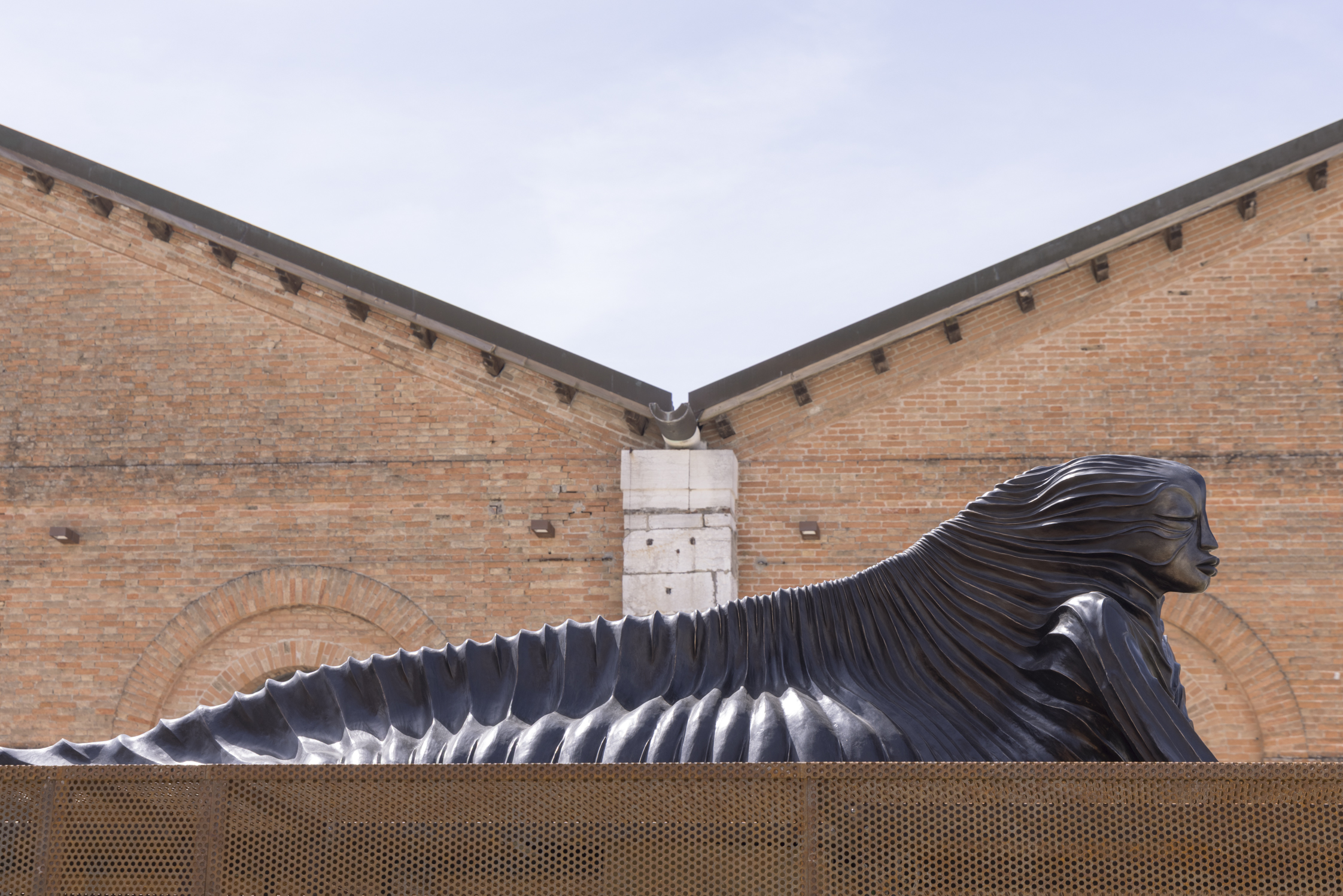
Wangechi Mutu, Arsenale. Ph. Marco Zorzanello. Courtesy: La Biennale di Venezia