KANAL CANTRE POMPIDOU BRUXELLES
FROM HERE TO ETERNITY BY ALBA BASILE
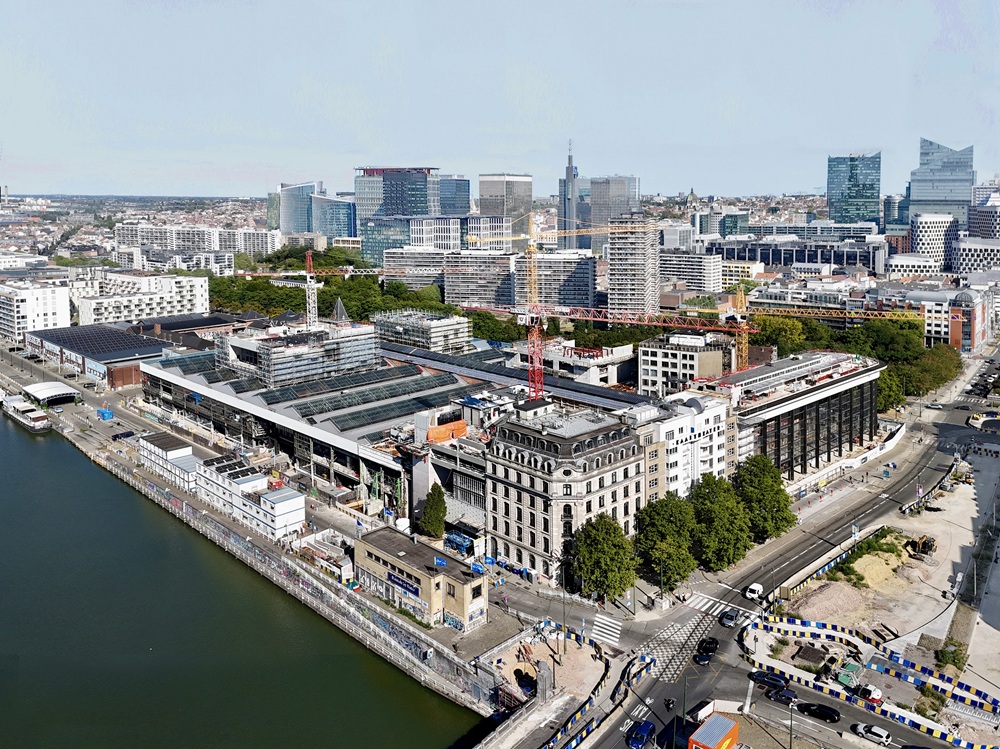 Aerial view
from the west © Kanal
Factories are museums because they are where creativity is expressed. They are search engines, hubs for experimentation and the exchange of ideas, open to the outside world so as to understand its developments and needs. They have always been that way, but it needed to be clearly pointed out so that everyone could grasp it. The Centre Pompidou has done just that thanks to its “antennas” tuned to changes in cultural perception at its new location in Brussels, Kanal - Centre Pompidou, which will open in the last week of November 2026.
©Koen Van Damme
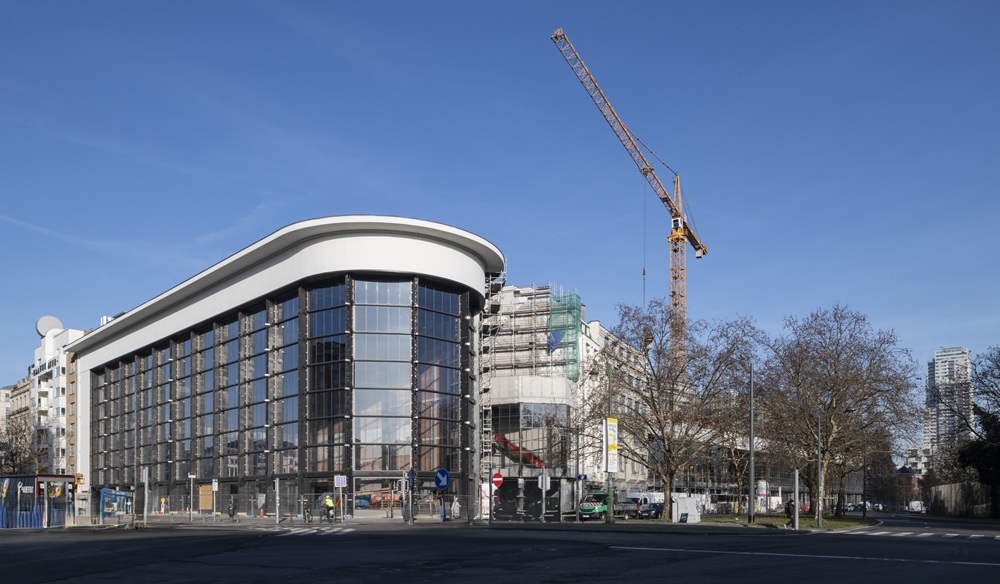
Only someone with a true forward-looking vision could grasp the potential offered by the vast spaces of what was the largest garage in Europe back in the 1930s, where the legendary DS was displayed – an image of elegance and modernity that Citroen wanted to be identified with – so they could be transformed into " a programme that resonates deeply with the Centre Pompidou’s DNA". That's how Laurent Le Bon – President of the Centre Pompidou, described them.
©Alba Basile
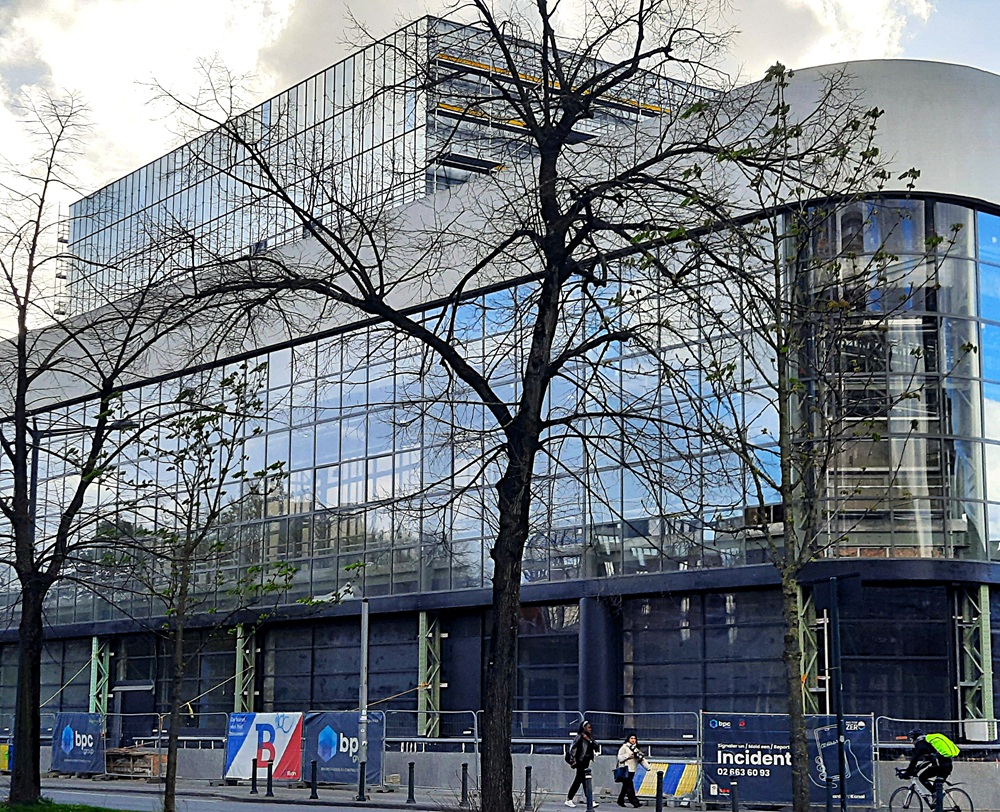
The three new design firms (noAarchitecten from Brussels, Sergison Bates Architects from London, and EM2N from Zurich) have retained the impressive glass, steel, and reinforced concrete façade from the original project by the architects Alexis Dumont, Marcel Van Goethem, and Maurice-Jacques Ravazé in Art Deco/Functionalist style, integrating it colour-wise into a really large complex and showcasing the side facing the Brussels–Antwerp canal.
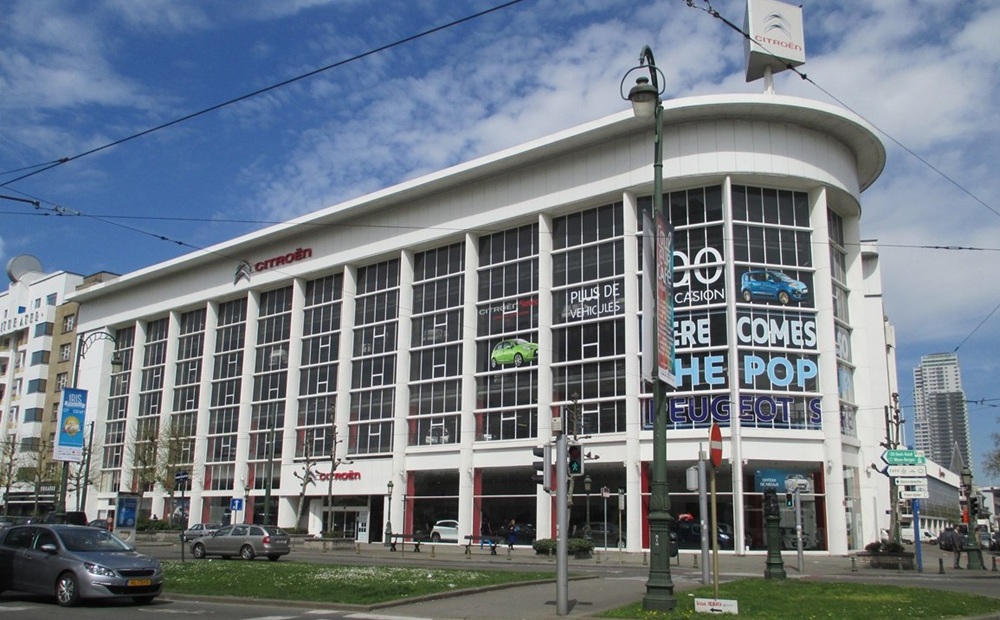
The old Citroën Garage, 1933. Copyright
sau-msi.brussels
The interior architecture has moved beyond the constraints of originally being partly intended to be offices. It has been reworked to notable emphasise the building’s height that seems almost infinite due to the use of structural glazing on the walls and ceilings.
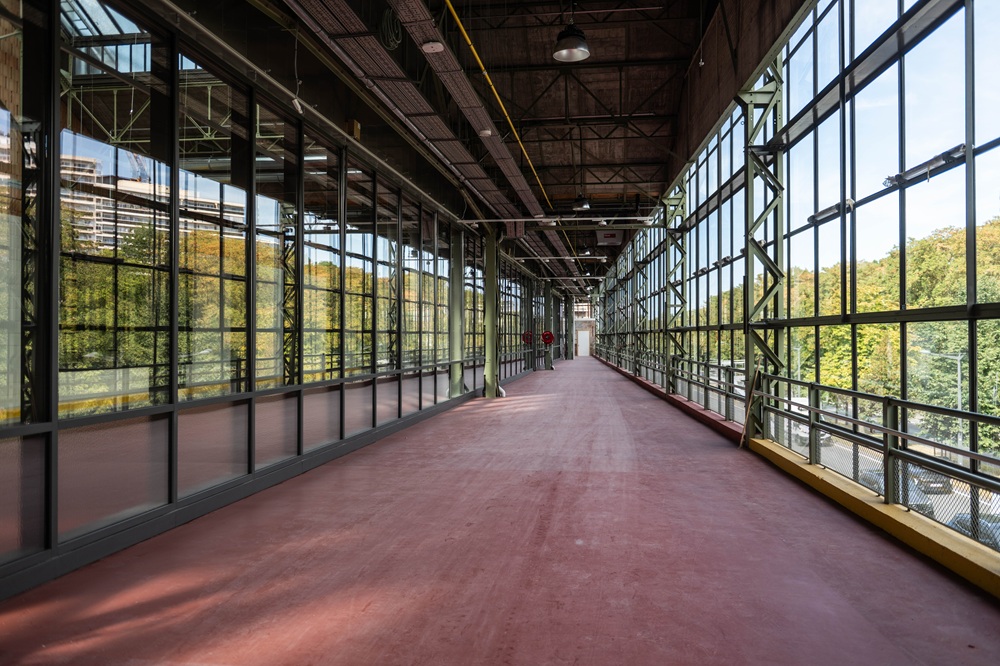
©Bart Grietens
The opening will feature 9 major exhibitions, part of a joint venture, which, thanks to a partnership agreement between the Brussels-Capital Region, the Kanal Foundation and the Centre Pompidou signed in 2017, has laid the ideal foundations for this multidisciplinary hub, which is changing not only part of the city's urban landscape but also its artistic and social ecosystem. This has actually resulted in the creation of the Kanal District - ART FOOD LIFE is, and the Belgian capital is changing its pace.
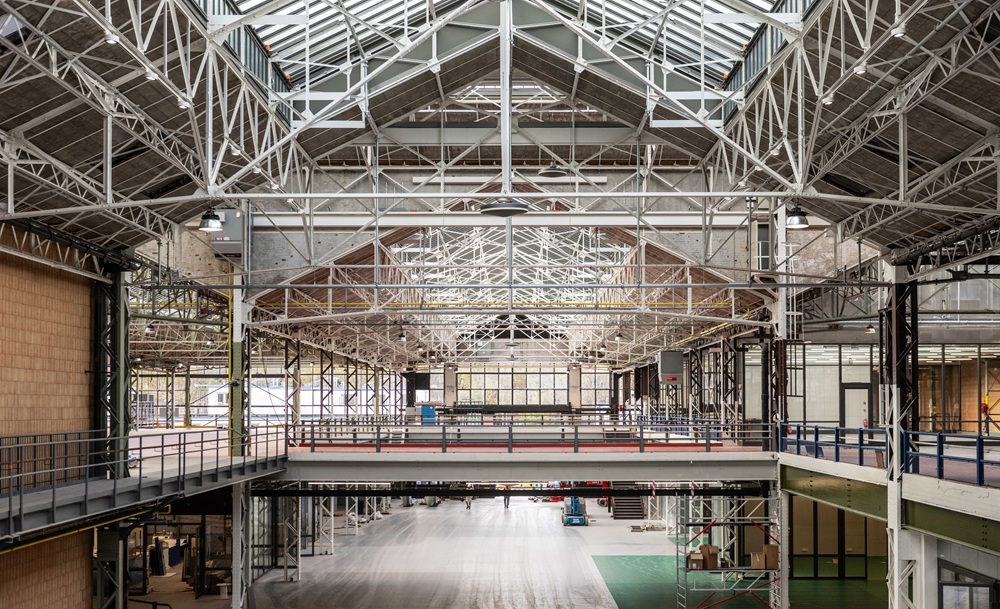
©Bart Grietens
Kasia Redzisz, the art director, doesn’t see Kanal as just a modern and contemporary art museum, he believes it is, above all, a multiethnic and intergenerational “relational field” for discussion and debate, where art, different narrative formats and the coming together of inherited stories, a vision of the future and, why not, also the flânerie. "A place for all people," just as the Centre Pompidou was intended to be according to Richard Rogers, who, along with Renzo Piano, designed the Parisian headquarters of an institution, which, through its 'Constellations' program and about 9,000 loans of its permanent collection each year, stands out as one of the world’s largest cultural operators.
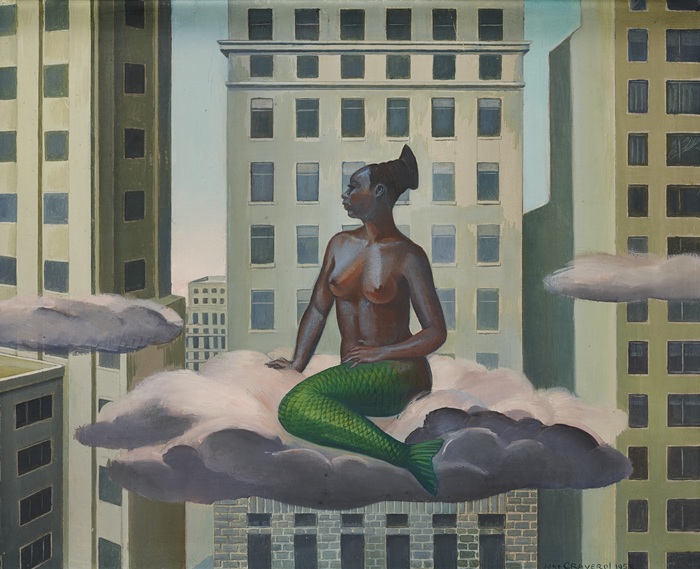
"A truly immense journey" Jane Graverol, L’Afrique
inconnue – La mythologie comparée, 1958. Collectie Mu.ZEE Oostende – Collectie Vlaamse
Gemeenschap. Foto door Steven Decroos
A truly immense journey is Kanal’s first long-term exhibition: it’s not just a title, but the spirit of our times. Everyone can find their place and recognize part of themselves in this project. That’s the real reason it exists. Alba Basile
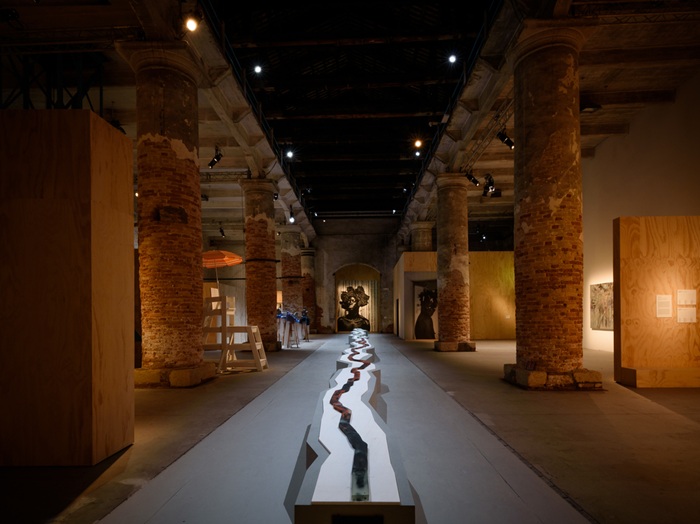 Veins Aligned [with] A Lapse, a Stain, a Fall, Otobong Nkanga, 2018, Kanal Collection, Images
courtesy of Venice Biennale. Photos by Andrea Avezzù and ItaloRondinella.