CRACKS 02 BY MATTEO BERGAMINI
MUSEU LASAR SEGALL, SÃO PAULO, BRAZIL
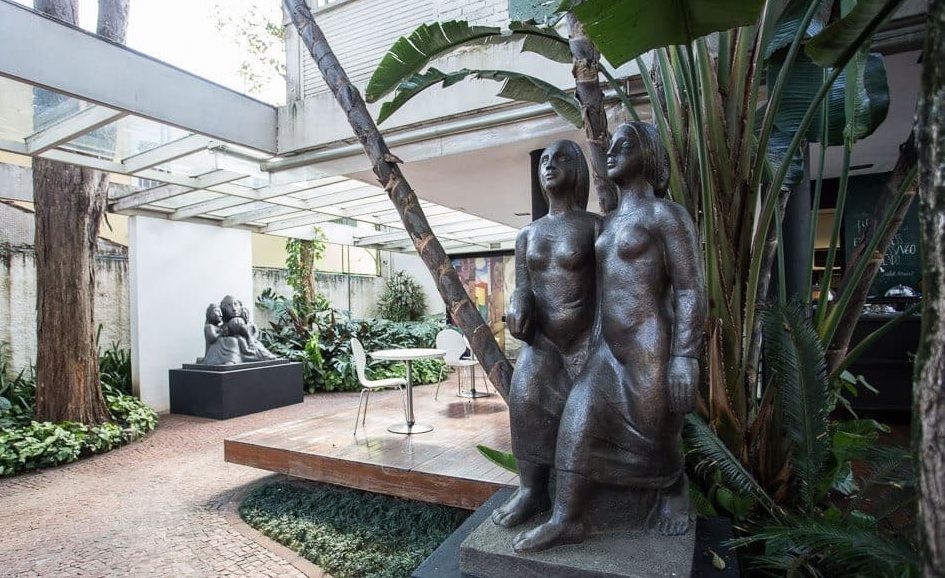
There's a small street in the Vila Mariana neighbourhood, just outside the chaos of São Paulo, where a beautiful modernist house designed by architect Gregori Warchavchik (1896-1972) was converted into Lasar Segall Museum in 1967. Born in Lithuania in 1889, Segall studied at the Academies of Dresden and Berlin took permanent refuge in Brazil in 1923, but that didn’t prevent the works he had already built in Germany from being included in the famous Degenerate Art exhibition promoted by Adolf Hitler (650 works confiscated from 32 German museums), which was organised by the painter Adolf Ziegler by order of Minister Joseph Goebbels.
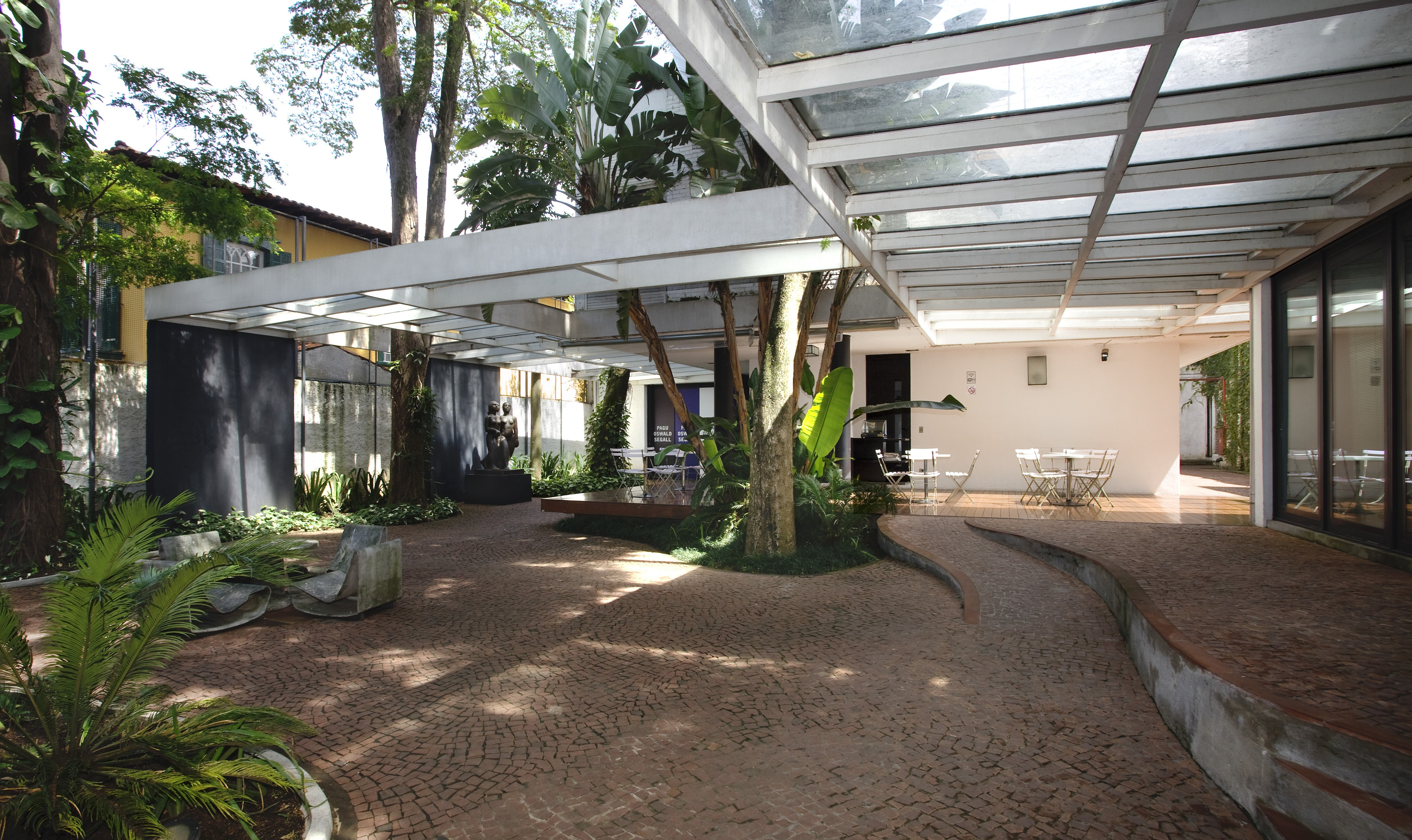
Segall's world, designed by Warchavchik in Vila Mariana, is made of large spaces: a garden that hosts a marquee, some famous hanging structures that were strongly linked to Modernism, his house converted into a museum, and the artist's original studio, still in use and – probably – the main attraction on São Paulo's cultural scene. From his arrival in Brazil, Segall soon got closely engaged in the local culture and its contradictions, experiencing that the artist himself described as a miracle of light and colour, where the improvised architecture of the favelas, along with black mothers and society's outcasts, became one of the recurring themes in his work, as he became fully integrated in the cultural project of contemporary Brazil, notably in the wake of the legendary "Week of Modern Art" in 1922. Segall Museum is now one of the most curious spots in São Paulo, hosting – right in the same space as the artist's studio – a real printmaking school since1976, one of the most renowned in the city and probably in the whole of South American, together with a library specialising in the theory of performing arts.
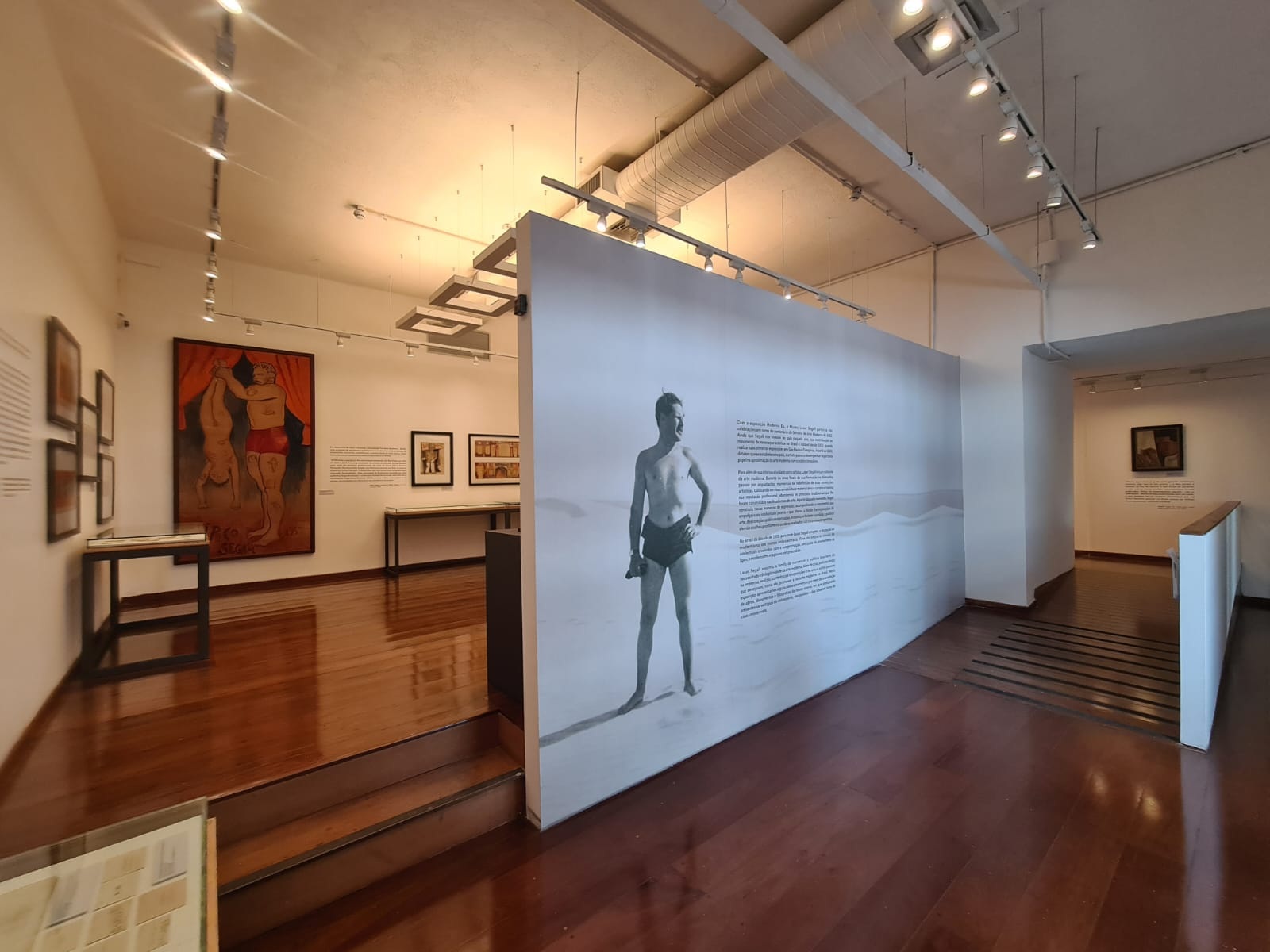
After all, it was Segall himself who envisioned his studio as an open educational space, the Lasar Segall Art School, which didn’t come to pass during his lifetime but only ten years later, when the house was turned into an institution. Focused on free expression of all those involved, without requiring any previous knowledge, the Permanent Atelier of Free Creation in Visual Arts took on its present form in 1989, offering semester-long courses in woodblock engraving, lithography, metal engraving and drawing, as well as time devoted to developing and supervising individual projects and organising temporary exhibitions. It's an unusual environment, even offering the opportunity to use one of the presses the artist himself used, collect lithographic plates, make use of facilities for printmaking processes involving chemicals, such as etching, and, cherry on the cake, a cinema that has become a very popular location in the area. Ideal for anybody interested in the genuine legacy of Tropical Modernism. Matteo Bergamini