10 SPOTLIGHT BY JACQUELINE CERESOLI
SANDRO SCALIA’S CRITICAL VISION OF SOUTHERN ITALY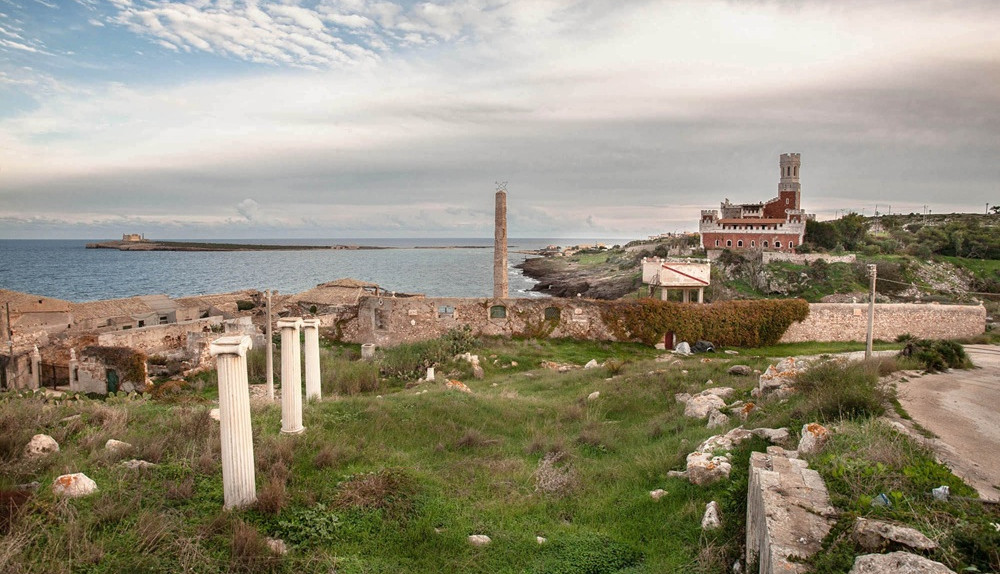
©Sandro Scalia Tonnara e Castello Tafuri, Capo
Passero 2008
Sandro Scalia (1959) is one of his generation’s most esteemed photographers and documentarians of the changes that have taken place in the Sicilian landscape, renowned for his ability to weave together historical memory and contemporary reality. He has always been interested in architecture, landscape and the cultural heritage. His photographs show the relationship between space and society, balancing degradation, critique of urban neglect, and beauty like an atlas of visual memory of in the polycentric and plural south of Italy. He is the founder of the Photography Course at the Academy of Fine Arts in Palermo, where he has been teaching Photography since 1998. He is a keen explorer of the changes that have taken place in Palermo and other cities in Sicily, acting as a critical mirror of the relationship between architecture and landscape, embracing everything from documenting historic buildings to suburbs, gardens and even morphological and landscape changes to diverse, multifaceted coastlines of southern Italy, challenging stereotypical, nostalgic and rhetorical narratives. In this interview, he tells us why photography is a means of understanding and method of critical reflection, amid crises, failures, conflicts and super-visions, in the quest for harmony where there is dissonance both within and beyond a territory seen as a social organism, highlighting the vision of a different kind of present destined to become the collective heritage of our identity, history and memory.
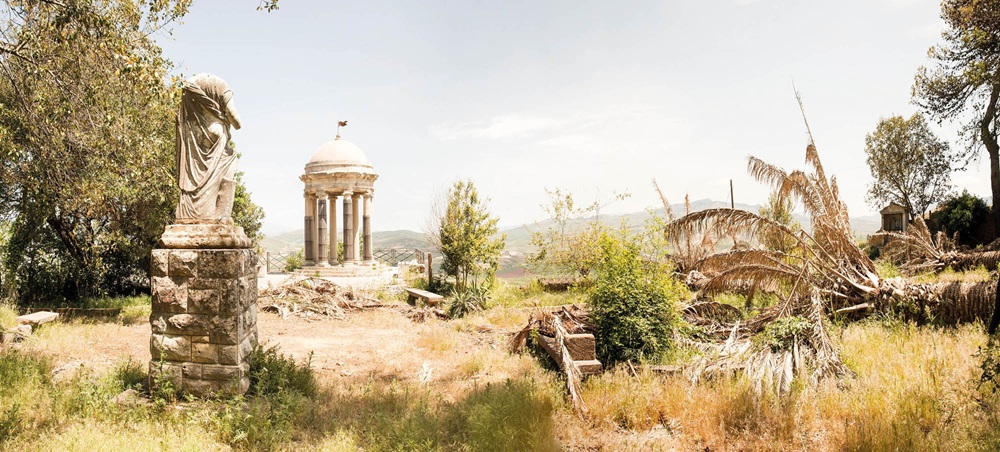
©Sandro Scalia Santa Margherita Belice 2012
How do you see Palermo? "Palermo is a complex city, full of deep contradictions. To an outsider, especially a tourist exploring it, it seems like a place of extraordinary charm, rich in history, architecture, landscapes and cultural layers. But this image hides a more problematic state of affairs, which becomes especially apparent in the daily life of those who live there. Neglect, a lack of care for public spaces and vital areas of the city, inefficient services, and an inadequate transport system that often makes traffic unbearable, all deeply affect the residents’ quality of life".
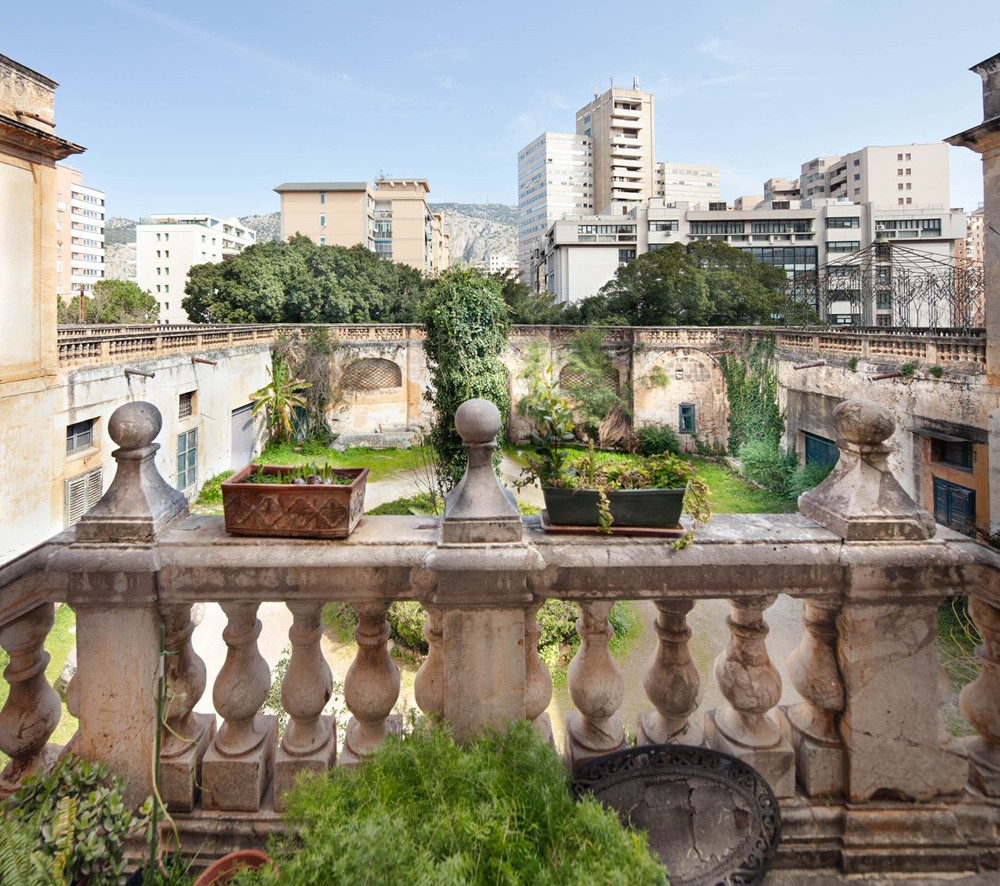
©Sandro Scalia Villa Terrasi, Palermo 2015
"Somewhere in the midst of all this beauty and decay, potential and neglect, memory and transformation, we can glimpse Palermo in all its complexity. Bringing together photographs from different eras, historic views, maps and contemporary landscapes is not just a way of reconstructing the city's visual memory, it is also a means of critically questioning its present: identifying what remains, what has been erased and what is overlooked or ignored, even though it is essential to communal life. Palermo becomes an atlas of memories, contradictions and transformations through which we can understand not only how the city builds its identity, but also how the decisions, failures and responsibilities that shape its development affect the experience of those who live there from day to day".
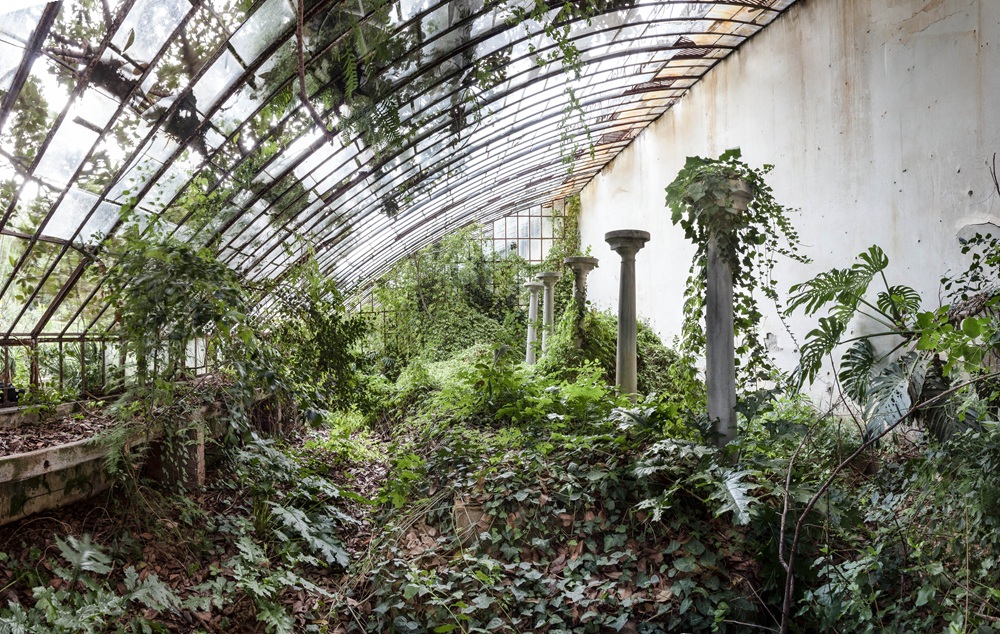 ©Sandro Scalia Villa Malfitano, Palermo 2013
What kind of legacy do you want to leave for future generations? "The legacy that photography leaves for future generations lies in its ability to preserve traces of changes to the territory and hold onto those places, landscapes and relationships that are often destined to disappear. Thanks to numerous research projects, photo campaigns and publications focused on Palermo and its surroundings, photography gradually constructs a visual memory that documents the changes, continuities and contradictions characterising the landscape".
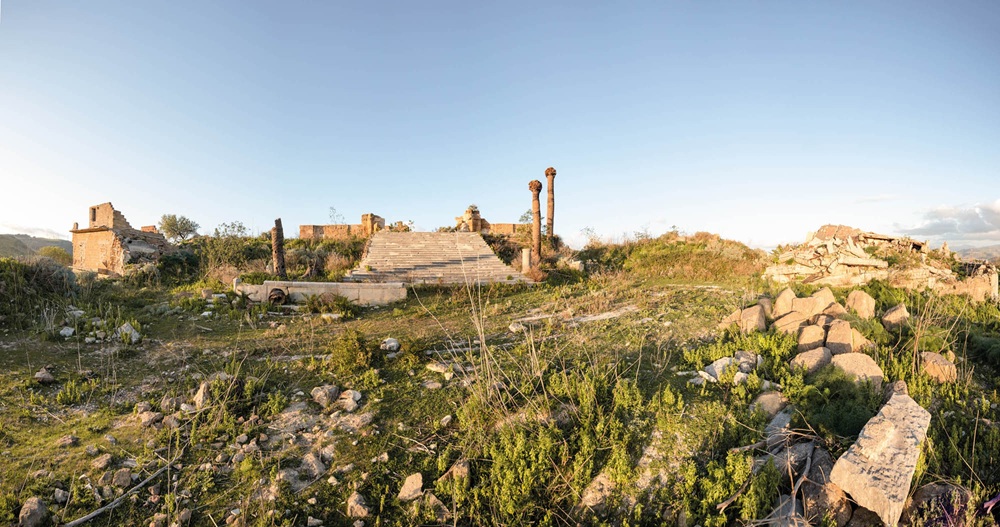
©Sandro Scalia Salaparuta 2020
"These projects are not just a record of the past but also a means of critical understanding for future generations. The images allow us to compare how things where with how they are today, visualising urban transformations, environmental changes, losses existing potential. A photographic of a shared heritage, capable of fuelling collective memory, inspiring new interpretations and contributing to a greater awareness of the area’s cultural and civic value". Jacqueline Ceresoli
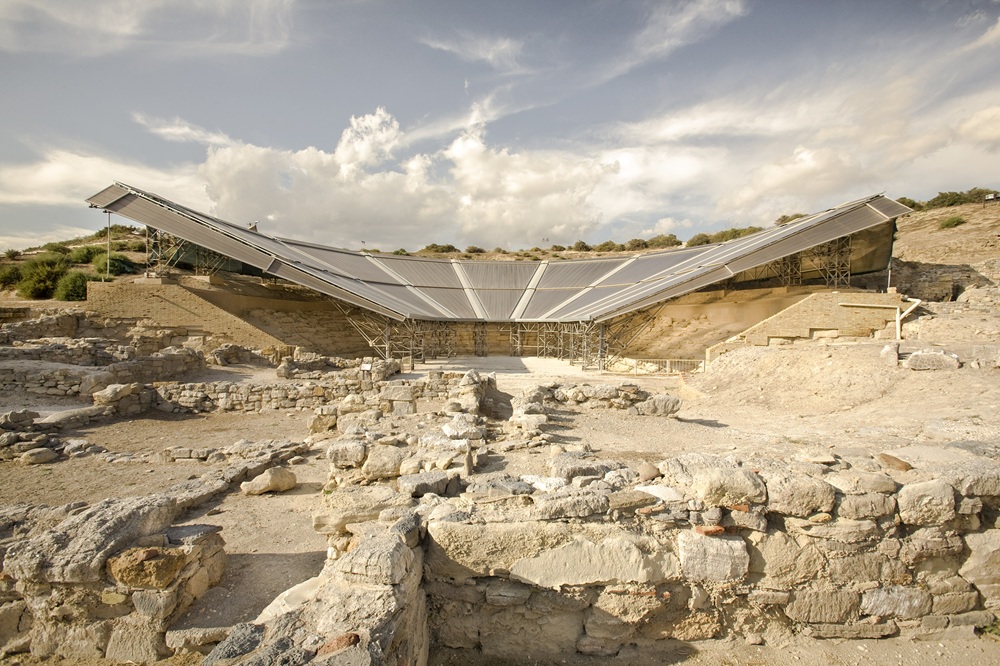
©Sandro Scalia Cattolica Eraclea, Eraclea Minoa, 2008