10 MONITOR BY MICHELE BAZAN GIORDANO
CINÉMA DORÉ MADRID, A LEGENDARY MODERNIST GEM
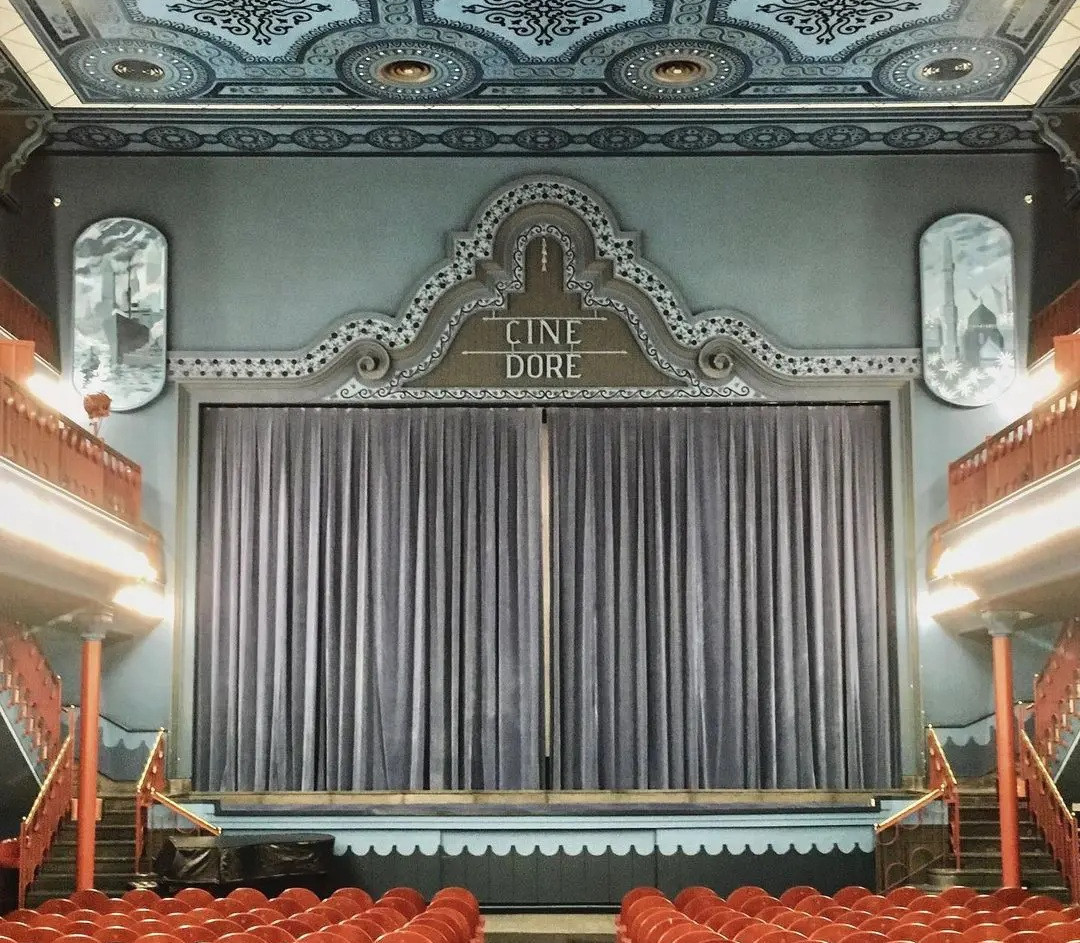
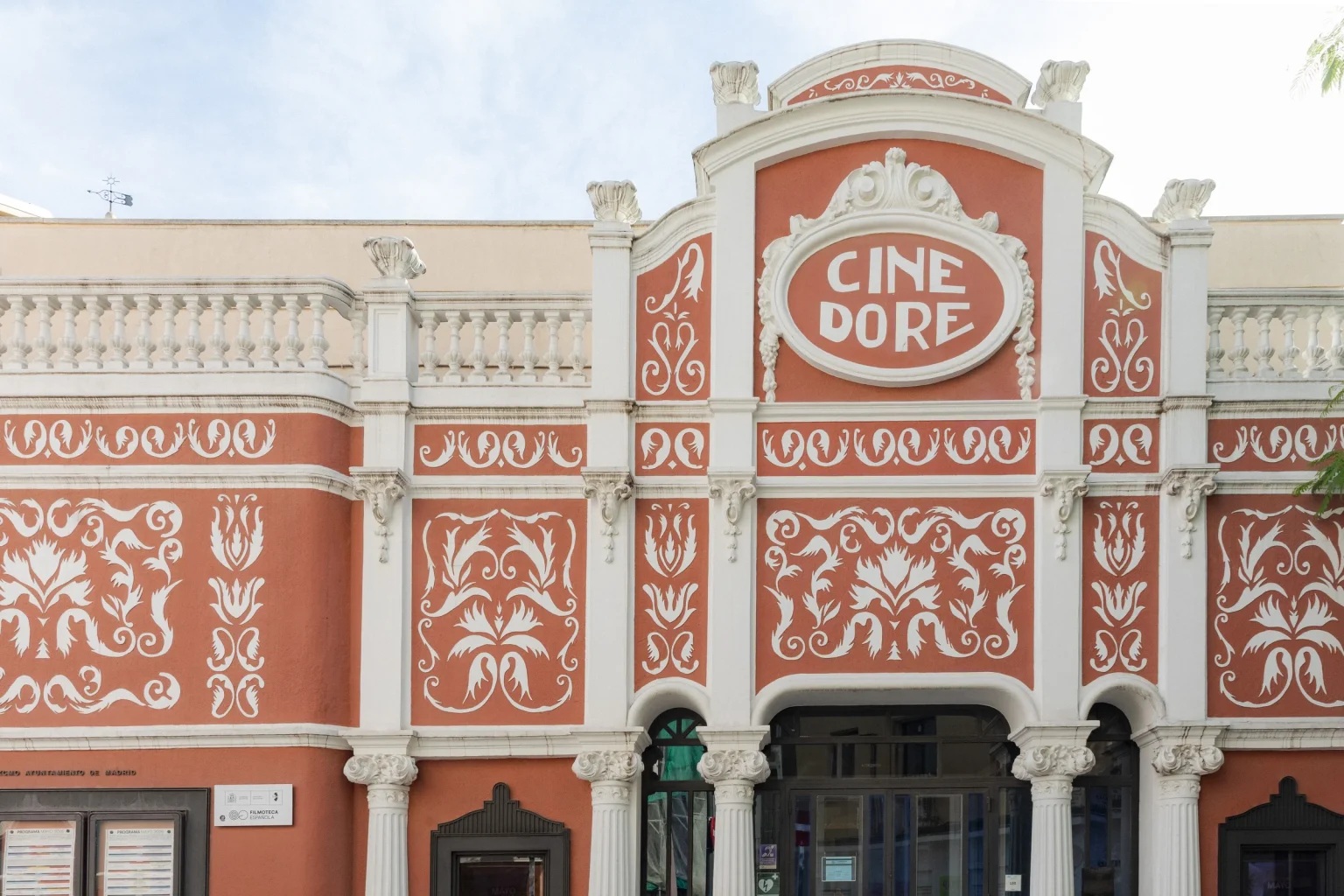
A shining example of resilience, the Doré Cinema in Madrid remains an insuperable Art Nouveau gem. It was opened on 19th December 1912, thanks to the visionary entrepreneur Arturo Carballo Alemany, at number 3 Calle Santa Isabel in the Lavapiés neighbourhood, where it still proudly stands as one of the most charming cinemas in Europe, despite a few modifications: the façade was altered in 1923 based on a design by the architect Críspulo Moro Cabeza and the entire building was then the focus of a conservation-focused renovation project two years later by another architect, Manuel López-Mora Villegas. Carballo Alemany, considered one of the pioneers of the film industry in early 20th century Madrid, had rented the Gran Vía Theater on Calle Jacometrezo ten years earlier (one of the first cinemas to show nighttime screenings) and was also involved in film production and distribution: he was, indeed, an authentic film buff (as were his successors).
It's widely
believed that the name Doré was inspired by the Gran Salón Cine Doré in
Barcelona, a place on Rambla avenue (Carballo Alemany was Catalan…) or that it
was a tribute to the engraver Gustave Doré, or even that it referred to the
first two musical notes Do and Re. It doesn't really matter. What matters most
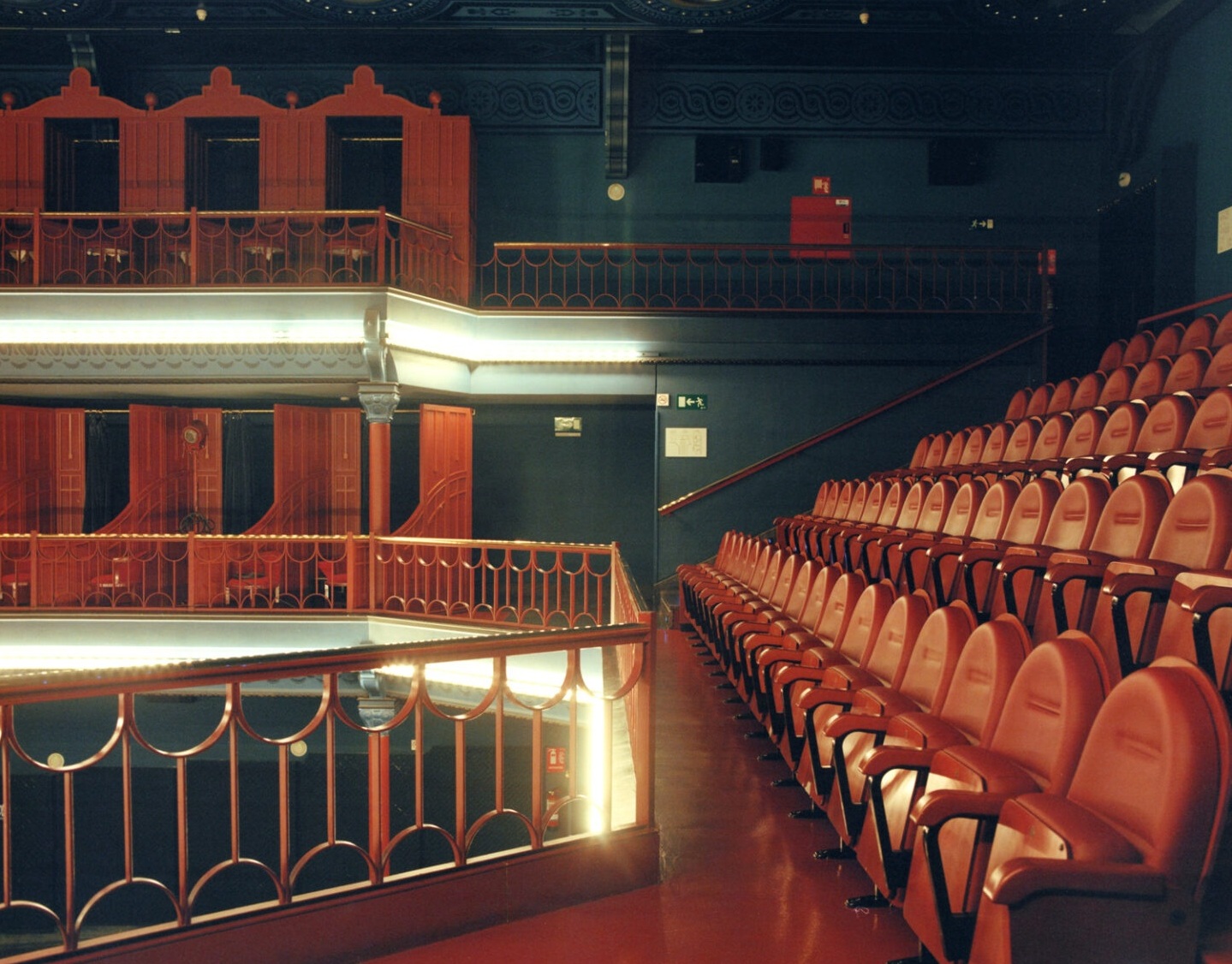
is how the cinema was saved from being converted into something else. It had a total of 1,250 seats in the stalls
and gallery, plus a smoking room - outside - (anticipating the smoking bans
that would come many decades later) and even a garden (thousands of cinemas
have been converted to be used for other purposes since the 1970s, first into
adult film theatres and then, after they became obsolete too, into multiplexes,
supermarkets or even banks).
The Doré’s
decline first began after the Spanish Civil War, when the cinema, meanwhile renamed
Palacio de las Pipas (the audience would munch on sunflower seeds, leaving their
shells on the floor - kind of like what happens today in multiplexes with
popcorn…) offered a limited program of second-run films until it was closed
down once and for all in 1963. In the meantime, however, the neighbourhood’s
local residents started a campaign to save the Doré forcing the City Council to
purchase it in 1982. Its renovation was commissioned to the architect Javier
Feduchi, son of Luis Martínez-Feduchi (the designer of the Edificio Capitol in
the Spanish capital), and it was then handed over to the Ministry of Culture.
The other Doré, the one in Barcelona, has been less fortunate: built by the entrepreneur
Manuel Reverter López, it was opened on 4th October 1936, but the
outbreak of the Spanish Civil War led to its confiscation by anarchist groups. Michele Bazan Giordano