09 MONITOR BY MICHELE BAZAN GIORDANO
SALON
KITTY BERLIN
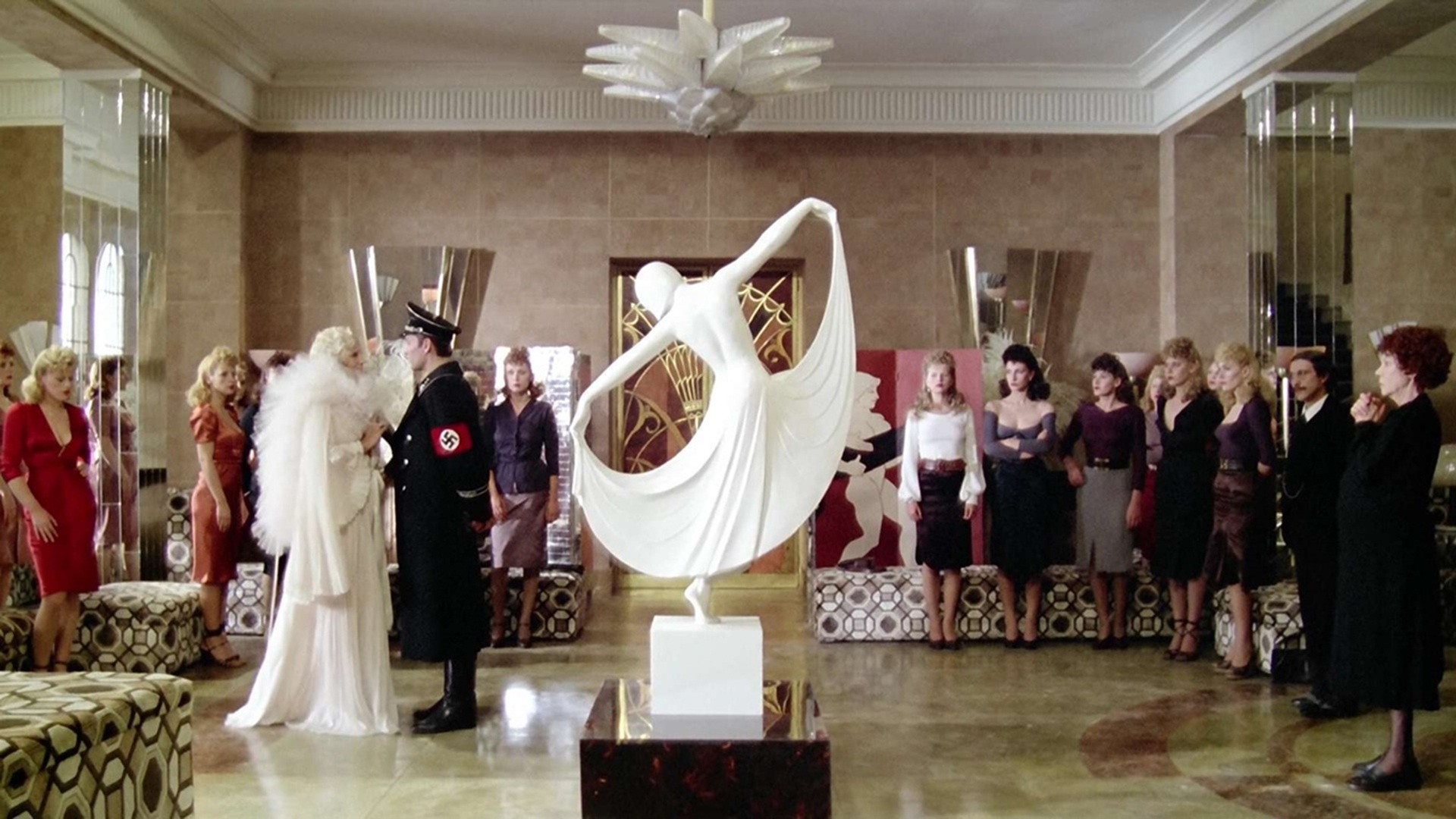
Tinto Brass, Salon Kitty, France 1976
The elections in Saxony-Anhalt on 6th September (the resounding success of the AFD, Alternative for Germany, the far-right party with neo-Nazi traits) has brought back nightmares that we thought had been buried forever. They also bring back memories of stories linked to the legendary Berlin brothel called Salon Kitty. Giorgio Ferrari has recently published a study into the brothel called L’alcova delle spie. Salon Kitty. Sesso e spionaggio nel Terzo Reich (The Alcove of Spies. Salon Kitty. Sex and Espionage in the Third Reich, published by Neri Pozza). Salon Kitty was indeed a brothel, but a very special one because its real purpose was to spy on its patrons by means of sophisticated recording equipment: Nazi leaders and soldiers, but also Italian fascists (including Galeazzo Ciano) to check their loyalty to National Socialism. It is well known that this also happened during the American Civil War - prostitutes have always had the knack for learning intimate secrets in bed, especially if trained not only to satisfy their clients’ sexual desires but also to get them to spill things they wouldn’t say in any other circumstance: 25,000 recordings vanished into thin air after the end of the Reich. So who was Katharina 'Kitty' Schmidt? A madam forced to cooperate with the Nazi police and move her ‘conventional’ brothel to 11 Giesebrechtstrasse, a side street off the Kurfürstendamm in Charlottenburg.
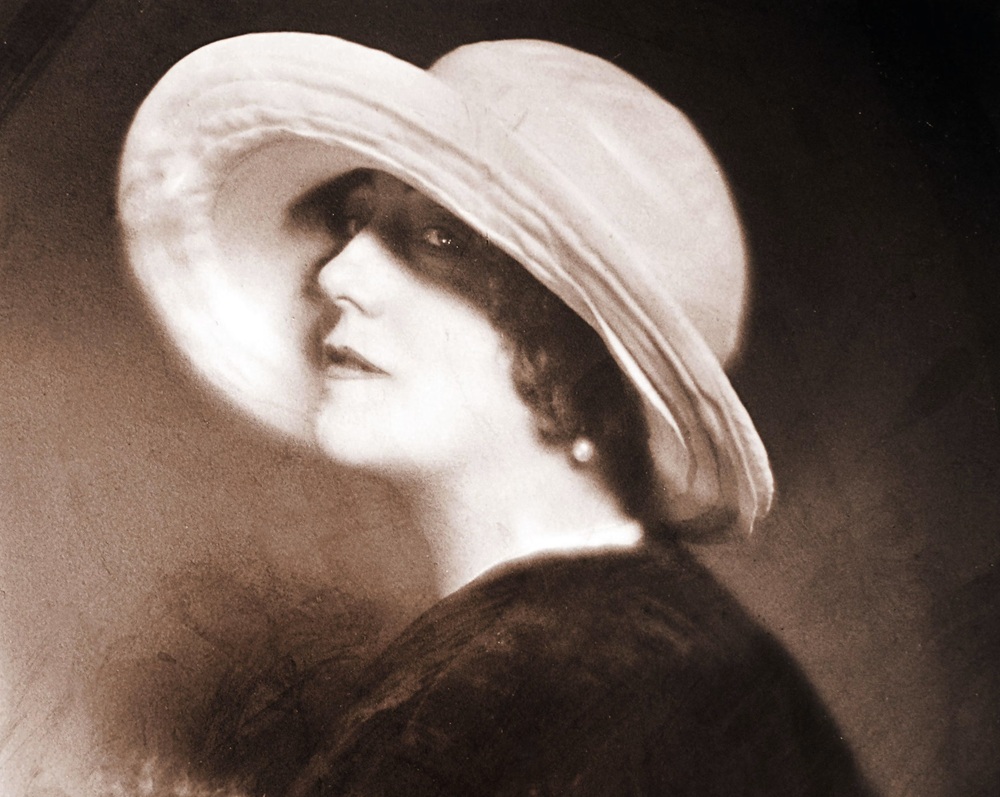
Kitty Schmidt,1930
At the head of the operation was Reinhard Heydrich from the Reich Main Security Office (killed in ’42) and, above him, the Gestapo deputy commander Walter Schellenberg (who died in ’52). So what remains today of the building that once housed Berlin’s most popular brothel (from 1939-42), where rivers of champagne flowed and there were dozens of stunning women carefully selected by the Regime and willing to do anything? As Ferrari writes in his book: “It now houses law firms, tax consultant offices, a design showroom, a psychodrama school, a PR agency, a few private apartments, and, ironically, a recording equipment retailer.” The architecture fits in with the other old buildings in Charlottenburg: from the so-called Altbau, where the Prussian upper bourgeoisie once lived, to the Mietskasernen for the less wealthy.
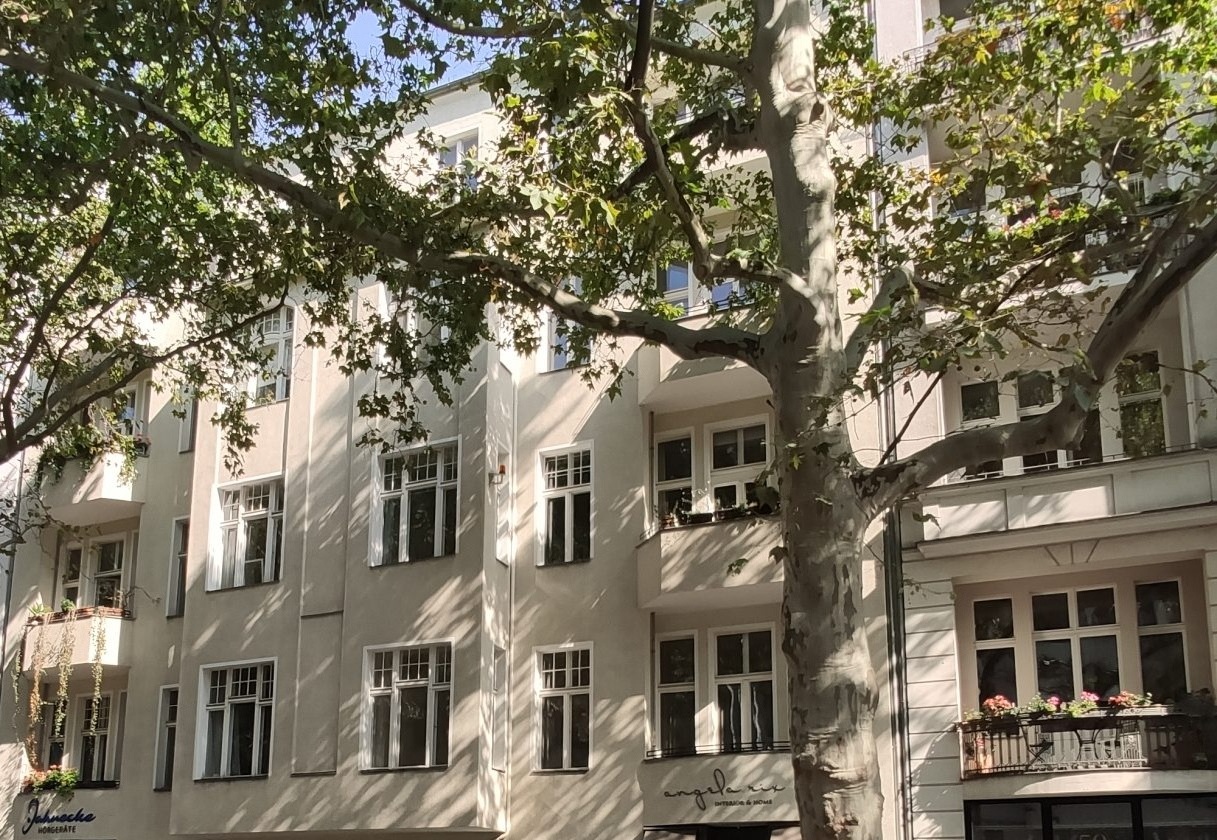
Giesebrechtstraße 11 in Berlin, where Salon Kitty was located
These historic buildings were built during the Gründerzeit (the so-called ‘founders’ era’ at the end of the 19th century), but also during the Wilhelmine period: a mix of neo-Renaissance classicism and neo-Baroque, often with Jugendstil influences. Tinto Brass directed a film in Salon Kitty in ’76, maybe one of his best (despite the lack of historical accuracy and a bit too much sentimentality), in which Kitty is played by the Bergmanesque Ingrid Thulin: a film, in any case, that is very effective at depicting the secret perversions of the Nazis. “[…] Salon Kitty never actually closed its doors,” so Ferrari goes on to tell us, “[…] its method, as someone once said, was to ‘howl with the wolves, run with the hares, hunt with the hounds.” And it worked until she dies at the age of 72 in 1952. Michele Bazan Giordano