06 MONITOR BY MICHELE BAZAN GIORDANO
ARCHITECTURES OF MYSTERY
There are certain works of architecture, even of a very high standard, that have always had a heavy burden to carry: in the eyes of the world, they have become 'cursed' places. These are buildings which, due to unfortunate bloody events, have become the scenes of more or less heinous murders or alleged ghost stories. And there are hundreds of them (mostly American). The United States of America boasts the world record for 'haunted artifacts' and also for serial killers (over 3,500, an underestimated figure, higher than the rest of the world put together).
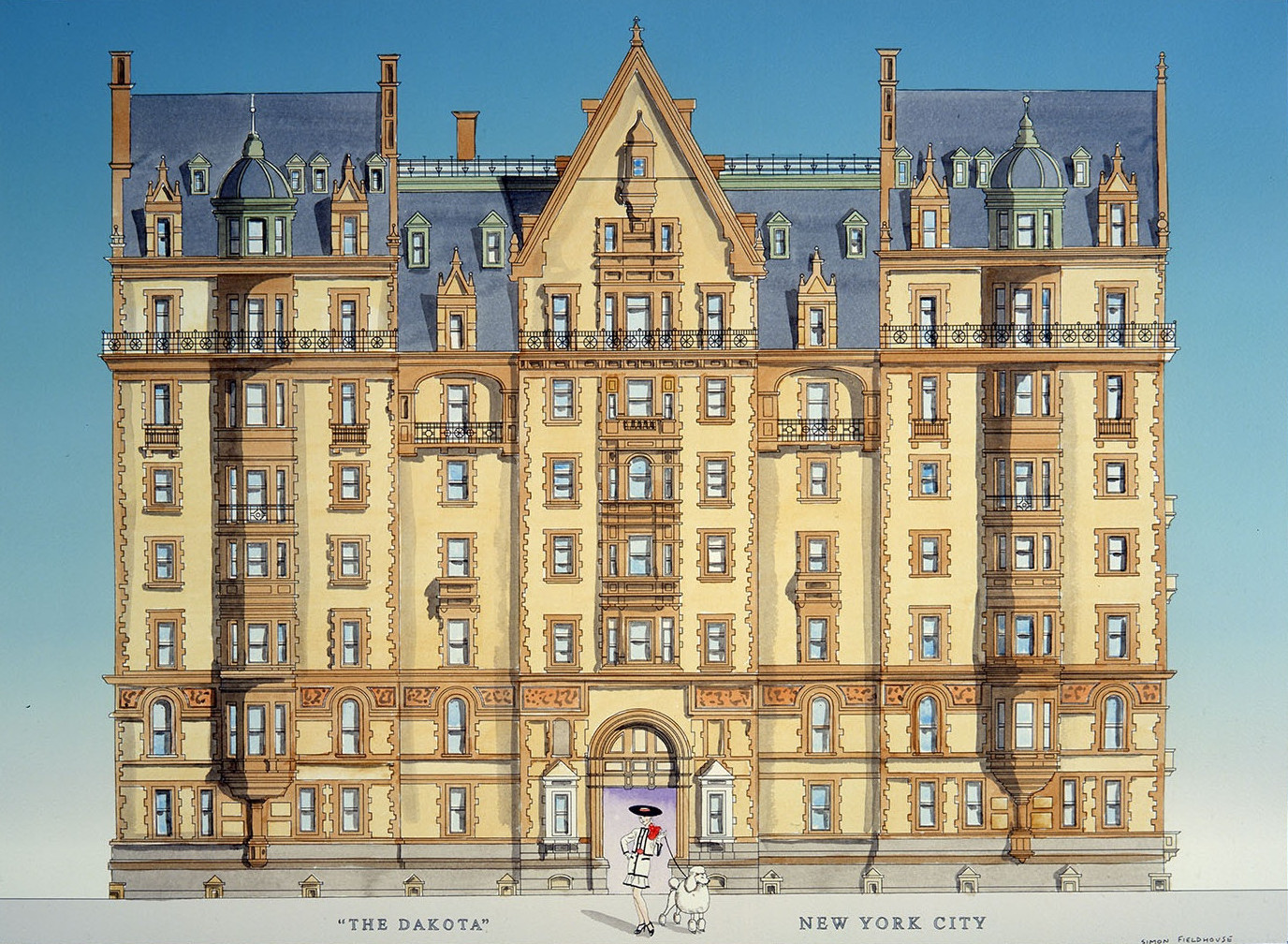
Simon Fieldhouse, The Dakota New York
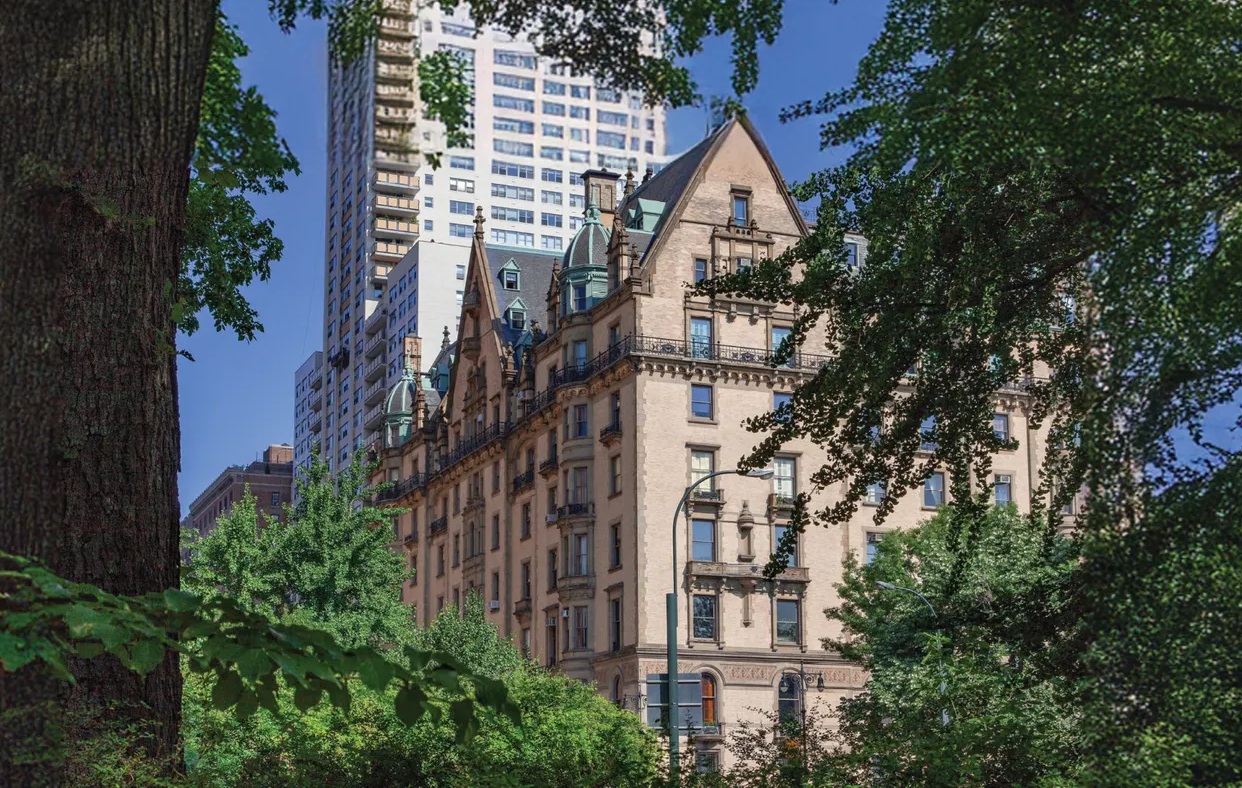
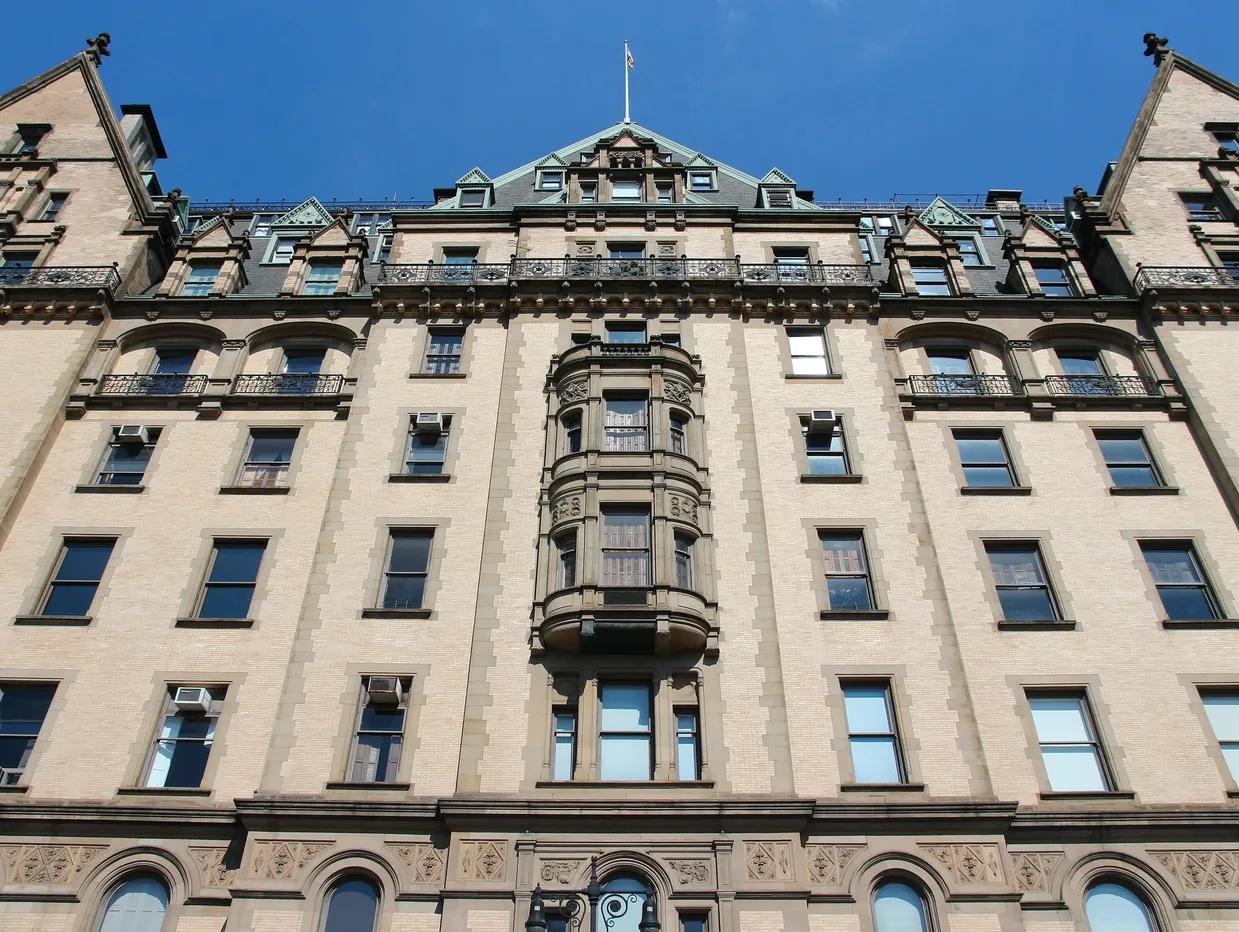
The best-known case is that of the Dakota Building in the Upper West Side of Manhattan, New York, which stands directly opposite Central Park with its dark Teutonic-Renaissance style speckled with Neo-Gothic references, featuring spired roofs, extensive use of wrought iron, niches, pinnacles and - a great novelty back then – fitted with elevators that were a very unusual feature at the time. Its most distinctive visual trait is its impenetrability. The client, Edward S. Clark, was the owner of Singer (sewing machines) and the architect was Henry Janeway Hardenbergh (the same man who designed the Waldorf Astoria and the Plaza). Hardenbergh was determined to place his innovative project in what at the time was a new, quiet and, above all, green area of New York. This eccentric building, constructed in 1880-1884, has the head of a Native American Indian from the Dakota tribe on its third-floor façade. Its 103 apartments have hosted some very wealthy and prominent people. Over the years the Dakota Building was the home to Lauren Bacall, Rudolf Nureyev, Leonard Bernstein, Boris Karloff and many other actors and musicians.
John Lennon and Yoko Ono went to live there in 1973. But it was Karloff, an actor in horror films like the legendary Frankenstein (1931) directed by Whale and The Mummy (1932) directed by Freund, who gave rise to the sinister aura around the building, made even darker in 1968, the year when Roman Polanski shot the disturbing film Rosemary's Baby there. Dozens of so-called 'black' events happened on the set and after filming was completed: the director's wife, Sharon Tate, pregnant at the time, was killed during the Cielo Drive massacre in Los Angeles in 1969; the composer of the film's soundtrack, Krzysztof Komeda, a friend of Polański’s, died shortly after the end of filming under more or less mysterious circumstances, and the producer William Castle had his life made impossible by religious fanatics who accused him of 'having conjured up the devil' and brought 'dark forces' down to Earth (and, oof course, the actress Mia Farrow received a petition for divorce on set from her then-husband Frank Sinatra). Finally, in December '80, while John Lennon was exiting the doorway of the Dakota, where he had been living for seven years, he was shot dead by an obsessed fan called Mark David Chapman. All the residents had reported 'dark presences' in the building over the years. Poor old Hardenbergh could never have dreamt of what would happen to his 'demonic creation'. Michele Bazan Giordano